If you are comparing a 12V Oil Extractor Pump review because you want a cleaner way to move oil and similar fluids, this one is built around simple transfer work rather than fancy extraction tricks.
The appeal is straightforward: a compact 12V gear pump that handles a broad range of fluids and small-engine use cases.
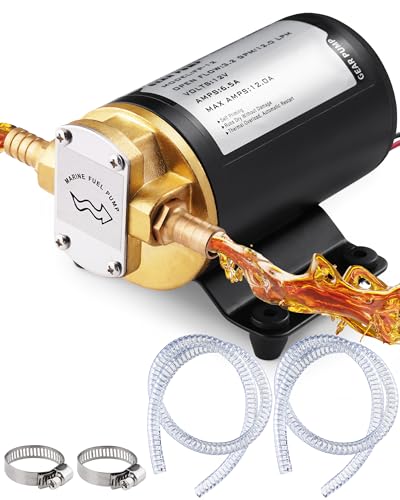
Oil Extractor Pump Review Summary
This 12V Oil Extractor Pump makes sense for buyers who want a practical transfer pump for oil changes, maintenance, and cleanup jobs on cars, motorcycles, mowers, boats, and outboards.
It is especially useful if you value a self-priming setup, broad fluid compatibility, and a design meant to move thick oils without a lot of hassle.
The biggest caveat is also important: the listing says it is not for extracting oil through the dipstick tube.
That keeps expectations realistic.
If you want a pump that moves fluid from tanks, drain pans, service ports, or fill ports, this product fits the job well.
If you want a universal “everything” oil extractor for every engine bay, this is not that tool.
Review Scorecard
| Category | Score | Why it scores this way |
|---|---|---|
| Fluid versatility | 9/10 | Listed for motor oil, gear oil, transmission fluid, waste oil, lubricants, diesel fuel, and kerosene. |
| Small-engine usefulness | 8/10 | Suited to cars, motorcycles, lawn mowers, and marine engines with direct transfer use. |
| Power and output | 8/10 | 12V DC design with 78W standard power, 120W max load, and 3.2 GPM flow. |
| Build confidence | 8/10 | All-copper motor, impeller, and pump head suggest a more durable construction than basic plastic pumps. |
| Safety and runtime | 8/10 | Built-in thermal protection and a 120-minute work cycle improve confidence for longer tasks. |
| Ease of use | 7/10 | Self-priming and service-port-friendly, but the “not through dipstick tube” limitation narrows use cases. |
For the right buyer, the value is in having one transfer pump that handles several fluids and several machines without needing a different tool each time.
That is a strong fit for home garages, seasonal equipment, and marine maintenance.
Key Features and Specifications of Oil Extractor Pump
The core identity of this pump is simple: it is a 12V self-priming gear pump for moving fluids, not a specialized dipstick extractor.
The listing gives it a broad job description, but the practical advantage is that it can serve as one pump for several maintenance routines.
Key listed facts:
- 12V DC power
- 78W standard power
- 120W max load
- 3.2 GPM flow
- 0.3 MPa / 43.5 PSI max pressure
- Up to 120-minute work cycle
- All-copper motor, impeller, and pump head
- Built-in thermal protection
- Listed for motor oil, gear oil, transmission fluid, waste oil, lubricants, diesel fuel, and kerosene
The emphasis on copper construction matters because oil-handling tools often fail at the edges: heat, load, and repeated use.
A pump that is explicitly designed to tolerate thicker oils like 80W-90 is more convincing than one that only sounds capable on paper.
Just as important, the product positioning is honest enough to be useful.
The listing says it is designed to pump from tanks or drain pans, and that it is not meant for pulling oil through the dipstick tube.
That makes it easier to judge whether it belongs in your garage before you buy.
Pros and Cons of Oil Extractor Pump
Pros
- Handles a wide range of fluids, including oil, transmission fluid, diesel, and kerosene.
- 12V power makes it suitable for vehicle and mobile maintenance setups.
- Self-priming design reduces setup friction.
- All-copper construction is a better sign than the cheapest plastic-body pumps.
- Thermal protection adds a useful safety margin.
- The work cycle and output specs are strong enough for routine maintenance tasks.
Cons
- The listing explicitly says it is not for extracting oil through the dipstick tube.
- Buyers expecting a universal extractor may find the use case narrower than they hoped.
- It is more of a transfer pump than a precision specialty tool.
- The product page does not provide enough detail about included accessories or hose setup in the evidence provided.
The main tradeoff is clear: this is a practical fluid-moving pump, not a niche extractor built around one extraction method.
That is a good thing if your work matches the listing, and a bad thing if you need a dipstick-style oil change solution.
Who Should Buy Oil Extractor Pump?
This pump is a sensible buy for people who maintain more than one type of equipment and want a single 12V tool that can move oil and similar fluids cleanly.
It fits:
- Car owners who handle basic oil transfer tasks
- Motorcycle owners who want a compact maintenance pump
- Lawn mower and outdoor power equipment owners
- Boat and outboard owners who need fluid handling around bilges or service ports
- DIY users who prefer a pump for tanks and drain pans instead of a dedicated extractor setup
It is less suitable for:
- Buyers who specifically need dipstick-tube extraction
- People who want a full-service oil change kit with lots of accessory detail
- Anyone who expects a heavy-duty shop pump for continuous industrial use
If your workflow is centered on direct transfer, service ports, drain pans, and small-engine maintenance, this is the type of tool that can earn its space.
If your whole plan depends on tube-based extraction, this is probably the wrong match.
Fluid Handling and Use Cases of Oil Extractor Pump
Oil and Transmission Fluid Transfer
The listing’s strongest practical claim is simple fluid versatility.
Being able to move motor oil, gear oil, and transmission fluid with one pump is what makes this more useful than a one-job accessory.
Thick Oils and Maintenance Work
The mention of 80W-90 compatibility matters because thick oils are where weaker pumps usually struggle.
That makes this more believable as a maintenance tool for gear oil and marine applications.
Marine and Outdoor Equipment
Cars are only part of the picture here.
The listing also points to mowers, boats, and outboards, which broadens the value for owners who maintain seasonal equipment and want one pump for multiple machines.
Safety and Runtime Considerations
Thermal protection and a 120-minute cycle make the pump sound better suited to real chores than one-off novelty use.
Those details do not make it industrial-grade, but they do make it more reassuring for occasional garage work.
Alternatives to Oil Extractor Pump
If you want comparable Amazon options, look at established fluid-transfer and oil-change pump lines rather than generic no-name units.
Useful searches include:
- Mityvac fluid extractor
- Mophorn oil transfer pump
- VEVOR oil transfer pump
- Jabsco oil change pump
- SEAFLO oil change pump
Those options are worth comparing if you want a stronger brand footprint, a marine-specific setup, or a different balance between extraction and transfer.
The right choice depends on whether you need a compact 12V pump, a more specialized marine pump, or a fuller oil-change system.
Is Oil Extractor Pump Worth It?
Yes, if your goal is straightforward fluid transfer from tanks, pans, and service ports. This pump’s 12V self-priming design, broad fluid compatibility, copper construction, thermal protection, and thick-oil support make it a sensible utility tool.
No, if you need a dipstick-tube oil extractor. The listing is explicit about that limitation, and it is the main reason to skip it if your use case depends on extraction through narrow engine access points.
Overall, this is worth considering for buyers who want a practical maintenance pump for cars, lawn equipment, boats, and outboards.
It is less compelling for anyone looking for a universal extractor, but for the use cases it actually supports, it looks like a solid and honest tool.
