Choosing the right water heater at elevation takes more than matching capacity. Thin air, colder inlet temperatures, and longer recovery expectations can all affect performance in mountain homes.
This roundup highlights high-altitude-ready options that are built to deliver steady hot water where standard units often struggle. Use it to narrow down the best fit for your home, cabin, or off-grid setup.
Best 10 High Altitude Water Heaters for Mountain Homes Picks for 2026
Mountain-Ready RV Upgrade
Gen II Ranein 65,000 BTU Tankless Heater
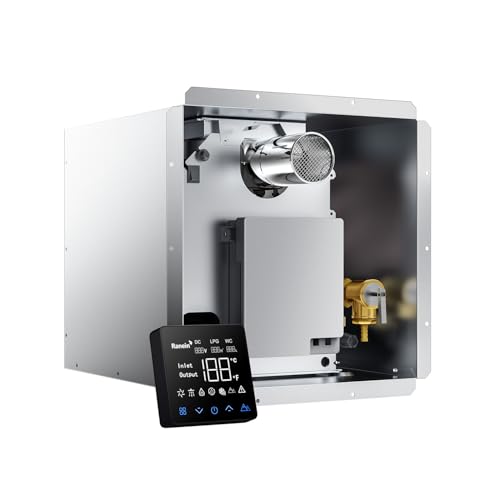
- 65,000 BTU burner for faster heating
- Up to 3.9 GPM with steady flow
- High-altitude ready up to 9,800 ft
Best For: RV families and cold-climate travelers
Outdoor High-Flow Choice
CAMPLUX 4.22 GPM Propane Heater

- 4.22 GPM for continuous hot water
- 110,000 BTU output for strong heating
- Includes shower kit and regulator
Best For: Outdoor cabins and off-grid setups
High-Altitude RV Pick
ORBEK Propane Tankless Water Heater
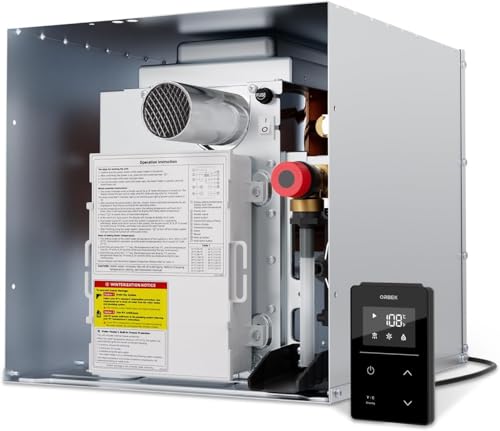
- Optimized for altitudes up to 9,800 ft
- 60,000 BTU burner with continuous hot water
- Remote control with 95°F to 123°F range
Best For: RV users in mountain climates
Maximum Elevation Performer
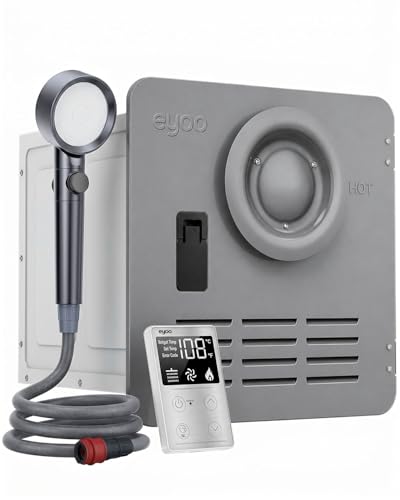
- Compatible up to 14,500 ft altitude
- 78,000 BTU with up to 4.5 GPM flow
- Windproof, waterproof RV design
Best For: Travelers needing the highest altitude support
High-Altitude Compact Pick

- Rated for full output up to 9,800 ft
- 2.9 GPM with 55,000 BTU heating
- Buffer tank helps reduce cold bursts
Best For: Compact RV setups and families who travel in mountain areas
Family Flow Upgrade
65,000 BTU High-Altitude RV Heater

- Up to 3.9 GPM for stronger flow
- Optimized for altitude use to 9,800 ft
- Thermostatic chamber helps steady temperatures
Best For: Families and full-time travelers who need more hot water capacity
Outdoor Utility Choice
65,000 BTU Front-Outlet RV Heater

- Under-25-second hot water delivery
- Front outlet for outdoor rinsing tasks
- 65,000 BTU with staged combustion
Best For: RV users who want strong hot water and outdoor cleanup convenience
Mountain-Ready Comfort
CAMPLUX 65K BTU High-Altitude RV Heater

- Up to 9,800 ft altitude support
- Freeze protection below 43°F
- Remote temperature control, 95°F to 124°F
Best For: RV users and mountain travelers needing stable hot water in cold, high-altitude conditions
Stable High-Elevation Flow
Hillhub 65K BTU RV Tankless Heater

- High-altitude mode up to 9,800 ft
- 3.9 GPM flow with 65,000 BTU output
- Staged combustion for steadier temperature
Best For: RV retrofits and mountain use where temperature stability matters
Family-Focused Mountain Use
TURBRO Rotorua 65K BTU RV Heater

- Optimized for up to 9,800 ft elevation
- Includes shower head and hose kit
- 65,000 BTU output with up to 3.9 GPM
Best For: Families wanting a feature-rich RV heater for high-altitude travel and outdoor use
Mountain-Ready RV Upgrade – Gen II Ranein 65,000 BTU Tankless Heater
If you’re comparing high altitude water heaters for mountain homes, this Ranein unit is built more like an RV-ready instant hot water solution than a traditional tank. Its 65,000 BTU burner, 3.9 GPM flow, and high-altitude support make it a strong fit when you want steadier water temperature in colder, thinner-air conditions.
Best For: RV owners and travelers who want strong flow, freeze protection, and high-altitude readiness for cold-weather use.
Pros:
- 65,000 BTU output supports faster heating and more stable performance.
- Up to 3.9 GPM for stronger flow and simultaneous faucet use.
- Optimized for altitudes up to 9,800 ft with a multi-function controller.
- Anti-freeze, flame failure protection, and CSA certification add confidence.
Cons:
- Designed for RV-style installations, not a plug-and-play home heater.
- Exterior door kits are sold separately.
- Best suited to propane-based RV systems rather than whole-house use.
For buyers who need mountain performance in a compact propane unit, this model balances output, control, and safety well. It is especially appealing if you want a reliable upgrade for travel trailers or RV living in colder elevations.
Outdoor High-Flow Choice – CAMPLUX 4.22 GPM Propane Heater
For shoppers comparing high altitude water heaters for mountain homes, this CAMPLUX model makes the most sense when the priority is outdoor hot water rather than indoor installation. Its 4.22 GPM output and 110,000 BTU rating are geared toward quick, continuous heating for cabins, campsites, and off-grid setups.
Best For: Cabin, campsite, and off-grid users who need strong outdoor hot water flow.
Pros:
- 4.22 GPM continuous hot water is strong for showering or filling buckets.
- 110,000 BTU burner delivers high heating power.
- Includes a shower kit, regulator, and hardware for setup.
- Built for outdoor and off-grid use with anti-freeze and dry-combustion protection.
Cons:
- Requires propane tank, batteries, and water supply accessories.
- Designed for outdoor use, not a standard indoor home install.
- At 25.8 lbs, it is less compact than some RV-focused units.
This is a practical pick if you want powerful instant hot water outside the main home. It stands out more for volume and outdoor convenience than for a built-in mountain-house heating solution.
High-Altitude RV Pick – ORBEK Propane Tankless Water Heater
If you’re researching high altitude water heaters for mountain homes, the ORBEK stands out for RV users who need dependable hot water where elevation can affect combustion. With 60,000 BTU output, 12V DC power, and altitude performance up to 9,800 feet, it’s designed for continuous on-demand use in colder mountain environments.
Best For: RV and camper owners who want a dependable propane heater for higher elevations.
Pros:
- High-altitude performance optimized up to 9,800 ft.
- 60,000 BTU burner supports continuous RV hot water use.
- Remote control adjusts temperature from 95°F to 123°F.
- CSA certified with frost, flame-failure, and dry-combustion protection.
Cons:
- 3.5 GPM flow is lower than some higher-output competitors.
- Exterior door panels are sold separately.
- Made for RV replacement applications rather than whole-home service.
For mountain travelers who want a balance of efficiency, safety, and altitude support, this ORBEK model is a solid fit. It is especially appealing if you value easy control and straightforward RV installation.
Maximum Elevation Performer – eyoo 78,000 BTU RV Heater
Among high altitude water heaters for mountain homes, this eyoo unit is the most aggressive on elevation support, with compatibility up to 14,500 feet. It also pairs a 78,000 BTU burner with up to 4.5 GPM flow, which helps keep hot water moving for families using an RV or other mobile setup in windy, wet, or colder conditions.
Best For: RV families and mountain travelers who need the highest altitude rating in this group.
Pros:
- Rated for altitudes up to 14,500 ft, higher than the other models here.
- 78,000 BTU output and up to 4.5 GPM support stronger hot water delivery.
- Waterproof and windproof design helps in harsh outdoor conditions.
- Includes a 15″ x 15″ door and wired remote controller.
Cons:
- Still an RV tankless unit, not a residential whole-house water heater.
- Remote control reach is limited to 6.6 feet.
- As with other RV replacements, installation depends on compatible cutout size.
If elevation is your biggest concern, this eyoo model is the standout. Its higher altitude limit and strong flow make it a compelling choice for demanding mountain travel use.
High-Altitude Compact Pick – 55,000 BTU Tankless RV Heater
If you want high altitude water heaters for mountain homes in a compact, RV-friendly format, this 55,000 BTU propane unit is built to keep hot water steady where weaker heaters start to fade. It delivers on-demand heat in about 2 seconds, is rated for full output up to 9,800 ft, and includes a buffer tank to reduce cold bursts after short pauses.
Best For: Class C and small Class A RV owners, full-time travelers, and families of four who need steady hot water at elevation.
Pros:
- 55,000 BTU output with up to 2.9 GPM for faster hot water delivery
- High-altitude burner keeps rated performance up to 9,800 ft
- 0.5 GPM activation and 500 ml buffer tank help reduce cold bursts
- Fits Suburban/Atwood-style replacements with included install hardware
Cons:
- Lower flow than the 65,000 BTU models in this roundup
- Designed for RV retrofit use, not a general home water heater
- Propane-powered system requires RV-compatible gas and 12V setup
This is a practical choice if you need a dependable mountain-ready RV heater without jumping to the largest unit in the group. The smart display, safety protections, and altitude-focused burner make it a strong all-around option for cold-weather travel.
Family Flow Upgrade – 65,000 BTU High-Altitude RV Heater
For high altitude water heaters for mountain homes and RVs that need more output, this 65,000 BTU propane model is built for stronger flow and steadier temperature control. It supports up to 3.9 GPM, is optimized for operation up to 9,800 ft, and uses thermostatic chamber technology to help balance heat output when demand changes.
Best For: Full-time RVers, cold-climate travelers, and families who want stronger simultaneous hot water use at elevation.
Pros:
- 65,000 BTU burner and up to 3.9 GPM for higher hot-water capacity
- Optimized for reliable performance up to 9,800 ft
- Thermostatic chamber technology helps stabilize water temperature
- Multi-function remote shows gas use, voltage, flow, and anti-freeze status
Cons:
- Exterior door is not included and sold separately
- Requires a standard RV cutout and compatible propane/12V setup
- Physically larger than the smaller 55,000 BTU option
This model is the best fit if your priority is more output and more consistent shower performance at altitude. The added flow, remote monitoring, and freeze protection make it especially appealing for heavier family use.
Outdoor Utility Choice – 65,000 BTU Front-Outlet RV Heater
If you’re comparing high altitude water heaters for mountain homes, this 65,000 BTU propane unit stands out for combining altitude-ready heating with a front outdoor outlet. It delivers hot water in under 25 seconds, uses staged combustion and an oxygen-free copper heat exchanger for stable temperatures, and is designed to stay efficient in all seasons.
Best For: RV owners who want strong hot water performance plus a front outlet for outdoor rinsing and cleanup.
Pros:
- 65,000 BTU burner supports continuous on-demand hot water
- Front outdoor outlet adds convenience for washing gear, pets, or vehicles
- Staged combustion and copper heat exchanger help keep water temperature stable
- Built-in freeze protection and flame failure protection support safer use
Cons:
- Like the other units here, it’s built for RV use rather than fixed home installation
- Door and opening size must match your RV setup
- Best value depends on whether you’ll actually use the exterior outlet
This is the most versatile option if you want a heater that does more than showers and dishes. The outdoor outlet gives it a practical edge for travelers who regularly clean up outside camp or in mountain conditions.
Mountain-Ready Comfort – CAMPLUX 65K BTU High-Altitude RV Heater
If you’re comparing high altitude water heaters for mountain homes or RV living, this CAMPLUX tankless unit is built for cold weather, variable conditions, and steady hot water on demand. Its 65,000 BTU output and high-altitude tuning make it a practical option for trips or off-grid setups where performance can drop as elevation rises.
Best For: RV owners and mountain travelers who want dependable on-demand hot water with freeze protection and an easy tankless upgrade.
Pros:
- Supports performance up to 9,800 ft altitude with an adjustable burner system
- 65,000 BTU output delivers up to 2.64 GPM, with 3.9 GPM max listed
- Built-in freeze protection below 43°F for winter and mountain use
- Remote control allows temperature adjustment from 95°F to 124°F
Cons:
- Designed for RV-style installs, not a traditional residential tank replacement
- Requires propane and 12V DC power to operate
Overall, this model stands out if you want a compact tankless heater that’s explicitly set up for altitude, cold-weather protection, and simple temperature control. It’s a strong fit when mountain conditions matter as much as everyday hot water output.
Stable High-Elevation Flow – Hillhub 65K BTU RV Tankless Heater
For shoppers focused on high altitude water heaters for mountain homes, this Hillhub tankless RV unit emphasizes stable temperature, quick heating, and altitude-ready operation. It’s built for on-demand propane hot water with a compact retrofit design that can help simplify an upgrade in tight spaces.
Best For: RV owners who want fast hot water, stable temperature control, and reliable performance at elevation.
Pros:
- High-altitude mode supports operation up to 9,800 ft
- 65,000 BTU output delivers up to 3.9 GPM for strong hot water flow
- Staged combustion helps maintain set temperature from 95°F to 124°F
- Includes anti-freeze protection, dry-fire defense, and low-water-pressure startup
Cons:
- Still requires propane and 12V DC power, so it’s not a plug-and-play residential unit
- Best suited to RV cutout retrofits rather than broad home installations
This Hillhub model is a smart pick when you need mountain-capable hot water with quick recovery and better temperature stability during pressure changes. The safety features and retrofit-friendly size make it especially practical for RV conversions and travel setups.
Family-Focused Mountain Use – TURBRO Rotorua 65K BTU RV Heater
If you’re shopping high altitude water heaters for mountain homes or RV travel, the TURBRO Rotorua is built around steady output, altitude optimization, and practical family use. It combines a 65,000 BTU burner with a wired controller and included shower kit, making it a flexible on-demand setup for RV fixtures and outdoor rinsing.
Best For: Families and RV users who want a high-altitude-ready propane heater with extra convenience features.
Pros:
- Integrated microprocessor optimizes performance up to 9,800 ft elevation
- 65,000 BTU burner supports flow rates up to 3.9 GPM
- Includes a shower head and hose kit for indoor or outdoor use
- Wind-resistant exhaust fan and freeze protection support cold-weather operation
Cons:
- The water heater door is sold separately
- Installation is RV-focused and uses standard RV cutouts and plumbing connections
This TURBRO unit is appealing if you want more than a basic heater: it adds a front-facing outlet, included shower hardware, and real-time controller feedback. For mountain conditions, its altitude optimization and freeze protection make it a practical all-weather option.
How We Picked These High Altitude Water Heaters for Mountain Homes
We focused on models that are explicitly rated for elevated use, with an emphasis on stable ignition, consistent hot water output, and practical install features. We also prioritized propane tankless options because they’re common in cabins and mountain properties, where efficiency and space savings matter.
Other important factors included altitude rating, BTU output, gallons per minute, CSA or NSF certification, freeze protection, and whether the unit is better suited for a full-time residence, weekend cabin, or RV-style plumbing setup.
Quick Comparison: What Matters Most
For High Altitude Water Heaters for Mountain Homes, the most useful spec is not just maximum BTU. You want a unit that stays stable as elevation climbs and can still meet your household demand when incoming water is cold. Higher flow rates help multiple fixtures, while lower-flow units can still be a smart choice for smaller homes, guest cabins, or point-of-use applications.
Fast Way to Narrow Your Shortlist
- Higher elevation: choose a model with a clear high-altitude rating and wind-resistant combustion support.
- Busy household: prioritize higher GPM and stable temperature control.
- Cold climate: look for freeze protection and winter-ready operation.
- Off-grid or small cabin: 12V DC or compact propane models can be easier to integrate.
Key Buying Factors for High Altitude Water Heaters for Mountain Homes
Altitude rating: Confirm the unit is approved or adjusted for your elevation range. Some heaters lose efficiency or fail to ignite reliably above certain thresholds.
Flow rate and BTU: BTU affects heating power, but GPM determines how much hot water you can actually use at once. Match both to your bathroom count, appliances, and seasonal demand.
Fuel and power source: Most mountain-home buyers will choose propane, but 12V-powered units can be useful in RV-based cabins or off-grid builds. Make sure your electrical and gas setup matches the heater’s requirements.
Climate protection: Freeze-proof features, insulated internals, and wind-resistant design are valuable in exposed mountain locations.
Installation and certification: CSA or NSF approval can simplify confidence and compliance. Also check venting, clearances, and whether the physical door size fits your existing opening.
Who Should Buy Which High Altitude Water Heaters for Mountain Homes?
Best for full-time family homes: Choose a higher-flow, stable-temperature model with strong altitude performance.
Best for small cabins or seasonal properties: A mid-BTU unit with simpler installation may be enough if usage is limited.
Best for off-grid mountain setups: Look for efficient propane operation and low-power or 12V compatibility.
Best for harsh winter climates: Prioritize freeze protection and models built for dependable ignition in cold, windy conditions.
In short, the best choice depends on elevation, household size, and climate more than on headline power alone. If you match those needs carefully, a well-chosen mountain-ready water heater can deliver reliable hot water all year long.
