Restaurants need hot water that keeps up with prep, dishwashing, cleaning, and peak service without surprise temperature drops. The right commercial gas restaurant water heater can make all the difference in day-to-day reliability.
Below, we focus on practical options for different layouts and demand levels, from compact point-of-use setups to high-output tankless units built for continuous service.
Best 10 Commercial Gas Restaurant Water Heaters Picks for 2026
Space-Saving Commercial Tankless
Rinnai CU160iN 9 GPM Natural Gas
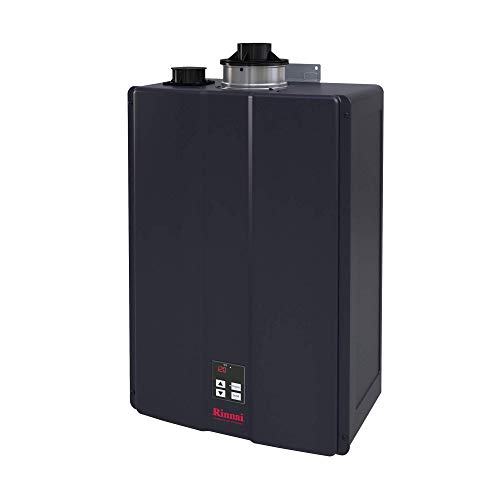
- 9 GPM tankless output
- Wi-Fi monitoring and recirculation
- Commercial warranty coverage
Best For: Busy restaurants needing efficient indoor natural gas hot water
Fast-Heating Commercial Boiler
VEVOR 10L Commercial Hot Water Boiler

- Up to 50L hot water per hour
- Automatic refill and reheating
- Adjustable 104°F to 201°F control
Best For: Beverage and prep stations needing quick, controlled hot water
High-Flow Smart Tankless
Mizudo 199k BTU 10.3 GPM Natural Gas

- 10.3 GPM for multiple fixtures
- WiFi/app control and scheduling
- ±1°F temperature stability
Best For: High-demand spaces needing smart, high-output indoor tankless heat
Large-Capacity Electric Tank Heater
VEVOR 18 Gallon Electric Water Heater
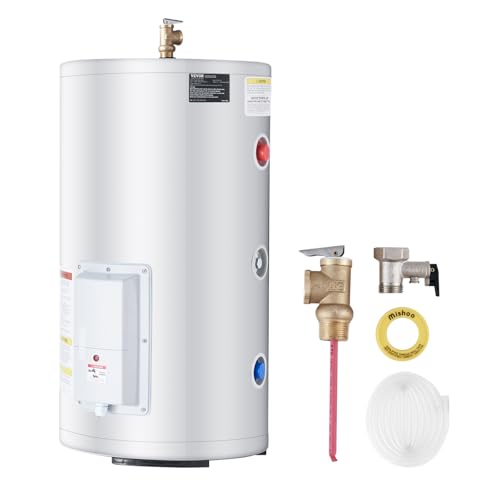
- 18-gallon storage tank
- Adjustable 86°F to 167°F control
- Insulated for longer heat retention
Best For: Commercial spaces needing a large stored hot water supply
Heavy-Duty Natural Gas Pick
A. O. Smith 10 GPM Condensing Tankless

- 10 GPM continuous flow with 199K BTU output
- Integrated recirculation pump for faster hot water
- Commercial-grade 316L stainless steel construction
Best For: larger high-demand installs needing continuous hot water
Compact Storage Option

- 30-gallon storage tank for small commercial use
- 5000W heating with thick foam insulation
- Dry heating, overheating, and overpressure protection
Best For: small commercial spaces needing point-of-use hot water
Outdoor Tankless Runner-Up
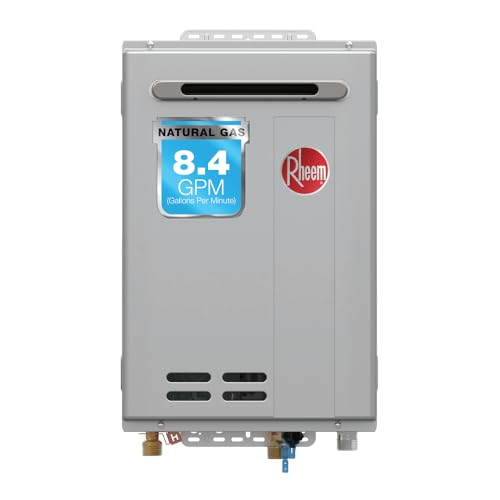
- Up to 8.4 GPM with 180,000 BTUs
- Outdoor wall-mounted tankless design
- Hot-start programming reduces cold bursts
Best For: space-saving outdoor installs with steady hot water demand
Compact High-Output Propane Pick
APUS 120,000 BTU 5.43 GPM Tankless

- 120,000 BTU with up to 5.43 GPM
- ±1°F temperature control
- Compact, quiet wall-mounted design
Best For: Smaller commercial or light-duty hot water needs
Outdoor Smart High-Capacity Pick
APUS 190,000 BTU 8.1 GPM Outdoor

- 190,000 BTU and up to 8.1 GPM
- WiFi and wired remote control
- Outdoor-ready with freeze and wind protection
Best For: Higher-demand installations needing outdoor mounting and remote control
Balanced Indoor Efficiency Pick
ThermoMate 5 GPM Indoor Natural Gas

- Up to 5 GPM and 113,000 BTU
- Eight built-in safety protections
- Compact indoor design with LED diagnostics
Best For: Indoor installs needing efficient multi-point hot water
Space-Saving Commercial Tankless – Rinnai CU160iN 9 GPM Natural Gas
Rinnai CU160iN Commercial Natural Gas Condensing Tankless Water Heater, Indoor Installation, 9 GPM
Check Price On AmazonIf you need commercial gas restaurant water heaters that prioritize efficiency and steady output, the Rinnai CU160iN is built for demand-driven hot water service. Its condensing tankless design heats only when needed, while the 9 GPM flow rate and recirculation support make it a strong fit for busy indoor operations.
Best For: Restaurants and other businesses that want a space-saving natural gas tankless unit with Wi-Fi monitoring and recirculation support.
Pros:
- 9 GPM output helps maintain a powerful, constant hot water stream
- Condensing tankless design saves space and heats only on demand
- Circ-Logic recirculation and Wi-Fi monitoring add convenience
- Commercial warranty coverage includes heat exchanger, parts, and labor
Cons:
- Professional installation is recommended
- Indoor natural gas setup may not suit every layout
- Lower capacity than larger whole-house commercial units
For operations that want efficient hot water without a storage tank, this Rinnai model offers a practical commercial balance of performance, monitoring, and installation flexibility. It makes the most sense where steady flow and space savings matter more than bulky capacity.
Fast-Heating Commercial Boiler – VEVOR 10L Commercial Hot Water Boiler
For commercial gas restaurant water heaters in beverage stations or prep areas, this VEVOR water boiler focuses on quick dispensing and consistent temperature control. It is an electric boiler rather than a gas unit, but its automatic refill system and steady 50L per hour output make it useful where fast access to hot water matters.
Best For: Cafés, restaurants, and office beverage stations that need a compact hot water boiler with automatic refilling.
Pros:
- Delivers up to 50L of hot water per hour
- Adjustable temperature range from 104°F to 201°F
- Automatic refill and reheating reduce manual work
- Stainless steel tank and insulation support durability and heat retention
Cons:
- Electric unit, not a gas heater
- 10L capacity is limited compared with larger systems
- Best suited to beverage service, not high-volume kitchen demand
If your priority is a dependable hot water dispenser for tea, coffee, or instant foods, this boiler is a straightforward commercial option. It is less about whole-kitchen heating and more about delivering controlled, ready-to-use hot water efficiently.
High-Flow Smart Tankless – Mizudo 199k BTU 10.3 GPM Natural Gas
This Mizudo model is a strong pick for commercial gas restaurant water heaters when you need high flow and tight temperature stability. With a 199,000 BTU output, 10.3 GPM capacity, and WiFi/app controls, it is designed to support multiple fixtures at once while keeping operation efficient.
Best For: Large homes or commercial spaces that need a high-output indoor natural gas tankless heater with smart controls.
Pros:
- 10.3 GPM flow supports 5 to 7 usage points
- WiFi and app control simplify remote management
- 6-stage modulation helps hold temperature within ±1°F
- 16+ safety protections add peace of mind
Cons:
- Direct vent kit must be purchased separately
- Indoor installation requires proper setup
- More than many smaller commercial applications need
For users who want tankless performance with modern controls, this unit offers a lot of capability in a compact wall-mount format. Its strength is high-demand hot water delivery with precise temperature management and extensive safety features.
Large-Capacity Electric Tank Heater – VEVOR 18 Gallon Electric Water Heater
If you want commercial gas restaurant water heaters that lean more toward storage capacity than instant tankless output, this VEVOR 18-gallon model is built for steady everyday use. It is an electric heater with a large tank, adjustable temperature control, and insulation designed to help keep hot water available for longer.
Best For: Kitchens and commercial spaces that need a large-capacity wall-mounted water heater for ongoing hot water access.
Pros:
- 18-gallon storage capacity supports larger hot water needs
- Rotary temperature control adjusts from 86°F to 167°F
- Foam insulation helps retain heat for up to 24 hours
- IPX4 waterproof design and safety-focused construction
Cons:
- Electric heater, not a gas unit
- 1600W output is modest for very high-demand service
- Bulky tank design takes more space than tankless models
This VEVOR is a practical choice when stored hot water matters more than ultra-fast recovery. It fits mixed-use environments well, but it is not the best match for buyers who specifically need a gas-powered commercial restaurant heater.
Heavy-Duty Natural Gas Pick – A. O. Smith 10 GPM Condensing Tankless
For buyers comparing commercial gas restaurant water heaters, this A. O. Smith tankless unit stands out for high output and continuous flow. It delivers up to 10 GPM and 199,000 BTU on natural gas, with an integrated recirculation pump to help reduce wait time for hot water.
Best For: Larger homes or light commercial-style installs that need strong continuous hot water and built-in recirculation support.
Pros:
- Up to 10.0 GPM continuous flow for high-demand hot water use
- 199K BTU condensing design with 0.93 UEF efficiency
- Integrated hot water recirculation pump for faster hot water delivery
- Commercial-grade 316L stainless steel materials and 15-year heat exchanger warranty
Cons:
- Recirculation may require a bypass valve, which is not included
- Professional installation by a licensed plumber is recommended
- Primarily positioned for residential applications rather than foodservice-specific use
This is a strong choice when output, durability, and quick hot water matter more than compact, basic operation. It also supports common venting and Easy-Link expansion, which can matter in higher-demand setups.
Compact Storage Option – VEVOR 30-Gallon Electric Tank
Among commercial gas restaurant water heaters alternatives, this VEVOR electric tank is a practical point-of-use pick for spaces that need stored hot water rather than on-demand gas heating. Its 30-gallon capacity, 5000W element, and insulation-focused design make it suitable for small commercial spaces and busy household fixtures.
Best For: Small commercial spaces or point-of-use areas that need a compact electric storage heater.
Pros:
- 30-gallon tank supports multiple outlets and small commercial use
- 5000W heating element with fast, uniform heating
- 20 mm foam insulation helps retain temperature and reduce heat loss
- Built-in dry heating, overheating, overpressure, and IPX4 protections
Cons:
- Electric tank design is not the same as a gas commercial restaurant heater
- 30-gallon capacity may be limiting for heavier demand
- Best suited to DIY-friendly installs, but still requires careful setup
This model makes sense when you want a straightforward stored-hot-water solution for a smaller footprint. It is less about raw gas-driven recovery and more about dependable, insulated point-of-use performance.
Outdoor Tankless Runner-Up – Rheem RTG 8.4 GPM Natural Gas
If you are comparing commercial gas restaurant water heaters-style performance in a smaller footprint, this Rheem tankless unit offers strong flow and outdoor installation convenience. It delivers up to 8.4 GPM and 180,000 BTUs on natural gas, with hot-start programming to reduce cold water bursts.
Best For: Installations that need a space-saving outdoor natural gas tankless heater with reliable continuous hot water.
Pros:
- Up to 8.4 GPM flow for multiple simultaneous hot water needs
- 180,000 BTU natural gas output in a compact wall-mounted format
- Outdoor-ready metal cabinet for qualified installer setups
- Hot-start programming helps prevent cold water bursts
Cons:
- Non-condensing design is less efficient than condensing models
- Outdoor installation may not fit every site layout
- 1-year labor warranty is shorter than the heat exchanger coverage
This is a solid fit when you want tankless gas performance without taking up indoor space. It balances strong output, simple wall mounting, and useful hot-start behavior for back-to-back demands.
Compact High-Output Propane Pick – APUS 120,000 BTU 5.43 GPM Tankless
If you’re comparing commercial gas restaurant water heaters for a smaller kitchen, prep area, or other point-of-use setup, this APUS propane tankless model is built around fast recovery and steady delivery. It combines a 120,000 BTU burner with up to 5.43 GPM, so it can handle multiple fixtures without taking up much wall space.
Best For: Smaller commercial or light-duty hot water needs where space is tight and stable flow matters.
Pros:
- Delivers up to 5.43 GPM with 120,000 BTU output.
- Supports simultaneous demand from 2 showers plus 1 sink, according to the manufacturer.
- Maintains temperature within ±1°F with smart CPU control.
- Compact wall-mounted design with quiet 36 dB operation.
Cons:
- Propane-powered, so it requires the right gas setup.
- Best suited to smaller-scale demand rather than the highest-volume operations.
- Must be fully drained in freezing conditions or long periods of nonuse.
This is a practical choice if your priority is efficient, on-demand hot water without dedicating much room to equipment. It looks especially appealing for compact installations where temperature stability and simple integration matter more than maximum commercial throughput.
Outdoor Smart High-Capacity Pick – APUS 190,000 BTU 8.1 GPM Outdoor
For buyers researching commercial gas restaurant water heaters that need higher volume and outdoor placement, this APUS natural gas unit brings a strong mix of output and controls. With 190,000 BTU and up to 8.1 GPM, it is designed to keep multiple outlets supplied while the WiFi and remote features make adjustments easier.
Best For: Higher-demand installations that need strong output, outdoor mounting, and smart remote control.
Pros:
- High capacity output: 190,000 BTU and up to 8.1 GPM.
- Can support 3 showers plus 2 faucets simultaneously, per the product notes.
- WiFi app and wired remote control for temperature adjustments.
- Built for outdoor use with wind resistance and freeze protection.
Cons:
- Outdoor installation may not suit every restaurant or indoor utility layout.
- Requires natural gas and a 120V power connection.
- More capacity than smaller point-of-use jobs really need.
Overall, this is the strongest fit here for users who want more flow headroom and modern controls in a weather-ready package. It makes sense when you need dependable hot water at multiple points and prefer keeping the unit outside.
Balanced Indoor Efficiency Pick – ThermoMate 5 GPM Indoor Natural Gas
If you want commercial gas restaurant water heaters scaled for efficient indoor use, the ThermoMate CZ422NG is a balanced option with a compact footprint. It offers up to 5 GPM and 113,000 BTU, which is enough for multi-point hot water while keeping installation and troubleshooting straightforward.
Best For: Indoor installs that need efficient multi-point hot water in a space-saving form.
Pros:
- Up to 5 GPM and 113,000 BTU for on-demand hot water.
- Smart flow sensor and chip maintain ±1°F temperature consistency.
- Eight safety protections, including freeze, flame-out, and overheating safeguards.
- Compact indoor design with a 3.5-inch LED diagnostic display.
Cons:
- Lower output than the higher-capacity APUS model.
- Indoor venting and gas connections still need proper planning.
- Not the best pick if your priority is maximum flow volume.
This model is the most balanced of the three for buyers who want reliable indoor hot water without jumping to a larger-capacity system. It stands out for safety features, efficiency claims, and a compact layout that should fit neatly into tight utility spaces.
How We Picked These Commercial Gas Restaurant Water Heaters
We focused on models that make sense for foodservice use: steady output, enough BTU or heating capacity for real demand, and configurations that fit common installation needs. We also looked at whether a unit is better suited to continuous sink and dish station use, or to lighter-duty support areas.
Because restaurant hot water loads can vary a lot, we included both gas and electric options in the broader selection only where they help illustrate size and capacity tradeoffs. Still, the buying priorities for Commercial Gas Restaurant Water Heaters remain the same: dependable recovery, correct sizing, and installation compatibility.
Quick Comparison
In simple terms, tankless gas units are usually the best match for higher, continuous demand and tighter mechanical spaces. Larger gas models with higher BTUs generally suit kitchens that need multiple fixtures served at once. Smaller or point-of-use heaters are better for hand sinks, bar areas, prep zones, or as supplemental equipment where demand is more localized.
Key Buying Factors for Commercial Gas Restaurant Water Heaters
Flow Rate and Peak Demand
Start with your busiest simultaneous hot-water use: dish machine, prep sink, mop sink, hand sinks, and cleaning cycles. A heater with enough GPM at your desired temperature rise is more important than headline BTU alone.
Gas Type and Venting
Match the heater to natural gas or propane availability and confirm venting requirements early. Indoor units may need more planning for clearances, combustion air, and exhaust routing, while outdoor models can simplify installation where permitted.
Efficiency and Operating Cost
High-efficiency tankless units can reduce fuel waste, especially in restaurants with uneven hot-water usage. If your demand is spiky rather than constant, on-demand operation can be a strong cost-control advantage.
Temperature Stability and Controls
For kitchens, stable outlet temperature matters as much as raw power. Digital controls, app connectivity, and tighter temperature accuracy can help maintain consistency for sanitation and cleaning tasks.
Installation Space and Service Access
Measure wall space, utility clearances, and maintenance access before buying. Even a powerful unit is a poor fit if it blocks service panels or requires major rework to install safely.
Who Should Buy Which Commercial Gas Restaurant Water Heaters?
High-volume restaurants and multi-station kitchens should prioritize higher-output tankless gas models with strong GPM ratings and the ability to support several outlets at once. Smaller cafés, bars, food trucks with fixed utilities, and prep-heavy operations may do better with compact or point-of-use systems where demand is lower and space is limited.
If you are replacing an existing system, compare the new unit’s flow, inlet water conditions, and installation footprint against your current setup. For most buyers, the best choice is the one that matches real usage patterns, not just the biggest number on the spec sheet.
