Carbon monoxide is odorless and difficult to detect without a working alarm, so choosing the right detector is an important safety decision. The best options under $100 range from simple battery-powered alarms to plug-in models, combination smoke and CO detectors, and portable monitors.
This roundup compares 10 carbon monoxide detectors for different rooms, travel needs, backup-power preferences, and monitoring features. Look for the combination of power reliability, alarm visibility, placement flexibility, and maintenance requirements that best fits your home.
Best 10 Carbon Monoxide Detectors Under 100 Picks for 2026
Best Portable Pick
Kidde Battery-Powered CO Alarm
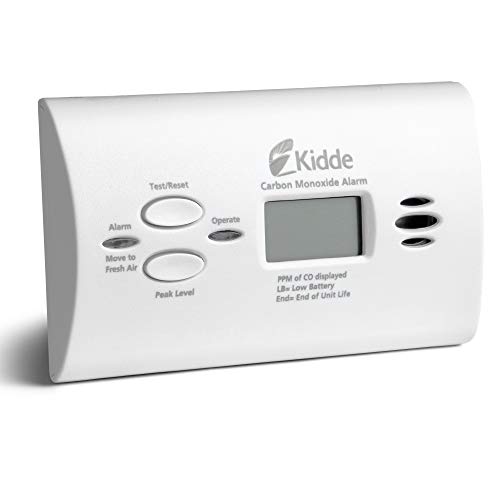
- AA battery operation with no wiring
- 85-decibel alarm and electrochemical sensor
- Portable wall or tabletop installation
Best For: Portable monitoring and power-failure readiness
Best Plug-In Option
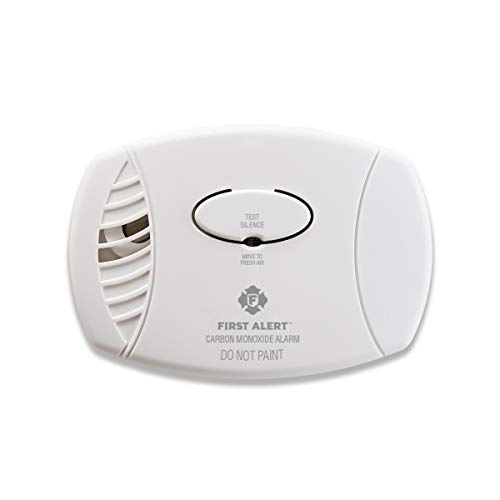
- Standard-outlet installation
- 9V battery backup for outages
- 85-decibel alarm with electrochemical sensor
Best For: Outlet-powered monitoring with backup
Best Combo Detector
X-Sense SC07 Smoke and CO Alarm

- Combines smoke and CO detection
- Sealed lithium battery rated for 10 years
- UL 217 and UL 2034 certified
Best For: Standalone smoke and CO coverage
Best Basic Value
First Alert CO400 Battery Alarm
- Simple battery-powered operation
- Electrochemical sensor with audible alarm
- Includes 9V battery and mounting bracket
Best For: Basic standalone CO protection
Best for Easy Setup

- 0–1000 PPM detection range
- Vibration, visual, and audible alerts
- Rechargeable USB-C handheld design
Best For: Camping, travel, and portable inspections
Best for Everyday Use
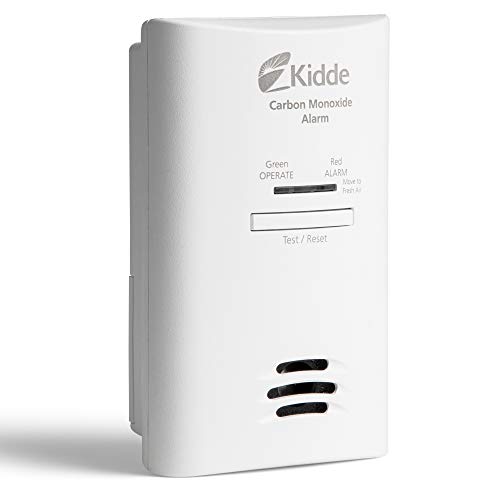
- Plugs into a 120V outlet
- AA battery backup for outages
- 85 dB alarm with peak memory
Best For: Simple residential outlet-based protection
Best Long-Life Alarm

- Long-lasting lithium battery
- 85 dB audio and LED alerts
- Wall, ceiling, or desktop mounting
Best For: Low-maintenance home and rental properties
Display Pick
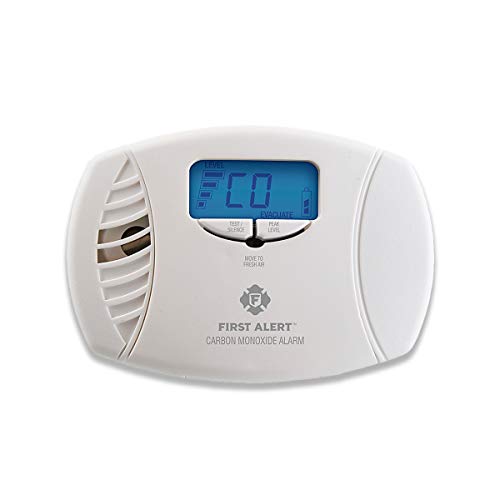
- Digital display shows readings at a glance
- Plug-in power with AA battery backup
- Test/silence button and end-of-life timer
Best For: Homeowners wanting visible CO readings and backup power
Travel-Friendly Pick

- Runs on two included AA batteries
- 85 dB alarm with LED warning light
- Compact design for home or travel
Best For: Renters and travelers needing flexible, wire-free placement
Long-Backup Pick

- AC power with stated 10-year battery backup
- Color-coded status light shows operating condition
- Compact design with one-touch silence
Best For: Users prioritizing extended backup power and portability
Best Portable Pick – Kidde Battery-Powered CO Alarm
For shoppers comparing carbon monoxide detectors under 100, this Kidde alarm offers flexible battery-powered protection without wiring. Its electrochemical sensor, 85-decibel alarm, and portable wall-or-tabletop design make it practical for rooms where outlet placement is inconvenient.
Best For: Portable, battery-powered CO monitoring during power failures.
Pros:
- Runs on two included AA batteries with no wiring required.
- Electrochemical sensor and 85-decibel audible alarm.
- Peak-level memory and test-hush button add useful everyday controls.
Cons:
- Uses replaceable batteries rather than a sealed 10-year power source.
- The listed warranty applies to the alarm, not battery performance.
This is a straightforward choice when portability and outage operation matter. The LED indicators and memory feature provide helpful status information without adding installation complexity.
Best Plug-In Option – First Alert CO606 Alarm
Among carbon monoxide detectors under 100, the First Alert CO606 is a convenient plug-in model with battery backup. It fits a standard outlet, uses an electrochemical sensor, and continues monitoring during a power failure.
Best For: Homes that prefer outlet-powered monitoring with backup protection.
Pros:
- Plugs into a standard outlet and includes a 9V battery backup.
- Electrochemical sensor is designed to detect CO levels accurately.
- Single test/silence button and low-battery signal mute for up to eight hours.
Cons:
- Requires a suitable wall outlet for its primary power source.
- Its seven-year limited warranty is shorter than some listed alternatives.
The CO606 suits buyers who want simple installation and continuous monitoring without hardwiring. Its end-of-life chirp also provides a replacement reminder.
Best Combo Detector – X-Sense SC07 Smoke and CO Alarm
For carbon monoxide detectors under 100 that also cover fire detection, the X-Sense SC07 combines photoelectric smoke sensing with electrochemical CO detection. Its sealed lithium battery is designed to last up to 10 years, and the included bracket supports wall or ceiling installation.
Best For: Buyers seeking one standalone unit for smoke and carbon monoxide detection.
Pros:
- Combines photoelectric smoke and electrochemical CO sensors.
- Built-in sealed lithium battery is designed for up to 10 years.
- Meets UL 217 and UL 2034 safety standards and includes an LCD display.
Cons:
- This SC07 model does not support wireless interconnection, Wi-Fi, or a base station.
- Sealed-battery design means the entire alarm is replaced when its service period ends.
The SC07 is a convenient two-in-one option for reducing the number of devices on a wall or ceiling. Choose it when long battery life and combined detection are more important than networking features.
Best Basic Value – First Alert CO400 Battery Alarm
The First Alert CO400 is a simple battery-powered choice for shoppers comparing carbon monoxide detectors under 100. It uses an electrochemical sensor, includes a 9V battery and mounting bracket, and avoids the need for outlet access or wiring.
Best For: Buyers who want a basic, standalone battery CO alarm.
Pros:
- Battery-powered design works without a wall outlet.
- Uses an electrochemical CO sensor and audible alarm.
- Includes a mounting bracket, user manual, and 9V battery.
Cons:
- Provides CO detection only rather than combined smoke and CO coverage.
- Requires periodic battery replacement.
- The product date shown is the manufacture date, not necessarily the purchase date.
This model keeps the essentials uncomplicated and includes the basic mounting accessories needed to get started. Confirm the manufacture date when evaluating its remaining service life.
Best for Easy Setup – TOPTES CT-580
For shoppers comparing carbon monoxide detectors under 100, the TOPTES CT-580 stands out as a portable inspection tool rather than a permanently installed household alarm. Its electrochemical sensor measures from 0 to 1000 PPM, with a fast response, color display, and multiple alert types.
Best For: Camping, travel, industrial checks, and users who want handheld CO readings with vibration, visual, and audible alerts.
Pros:
- Detects CO from 0 to 1000 PPM with a stated 0.3-second response.
- Combines indicator light, audible alarm, and vibration alerts.
- Rechargeable USB-C design includes a flashlight, adjustable brightness, and protective case.
Cons:
- Its handheld inspection format may be less convenient than a continuously mounted home alarm.
- Advanced calibration and alarm-history features may be more than casual users need.
The CT-580 is a flexible choice when portability and detailed readings matter. Its rechargeable design and three alert modes make it especially useful for checking changing environments on the go.
Best for Everyday Use – Kidde KN-COB-DP2
Among carbon monoxide detectors under 100, the Kidde KN-COB-DP2 offers a straightforward setup for homes with a standard 120V outlet. It adds AA battery backup, an 85-decibel alarm, status lights, and memory for the last detected CO level or test.
Best For: Homeowners who want a simple plug-in detector with backup power for outages.
Pros:
- Installs by plugging into a standard 120V outlet.
- Two AA batteries provide protection during a power outage.
- Peak-level memory and a Test-Hush button support convenient monitoring and testing.
Cons:
- Requires a suitable outlet for installation.
- Its supplied features focus on basic alarm protection rather than portable CO measurement.
The Kidde is a practical, low-fuss choice for rooms where an outlet is available. Battery backup helps maintain coverage during power interruptions, while the Test-Hush button simplifies routine checks.
Best Long-Life Alarm – HEIMAN C1-S
For buyers seeking carbon monoxide detectors under 100 with minimal maintenance, the HEIMAN C1-S pairs a long-lasting lithium battery with an electrochemical FIGARO sensor. It provides an 85-decibel audio alarm, LED warning, and flexible wall, ceiling, or desktop placement.
Best For: Homeowners, landlords, and property managers who want a compact battery-powered alarm for residential or light commercial spaces.
Pros:
- Long-lasting lithium battery supports continuous monitoring without an outlet.
- UL 2034 5th Edition certified and CSFM approved, according to the supplied notes.
- Compact flame-retardant housing supports wall, ceiling, or desktop placement.
- Includes an 85 dB audio alarm, LED indicator, and Test/Silence button.
Cons:
- It is designed as an alarm rather than a handheld display-based CO meter.
- The supplied notes list differing warranty durations, so buyers should verify the current coverage.
The C1-S is well suited to installations where wiring and frequent battery changes are inconvenient. Its compact form, flexible mounting, and visual-audible alerts make it a practical everyday detector for multiple room types.
Display Pick – First Alert Plug-In CO Alarm
First Alert Plug in Carbon Monoxide Alarm with Digital Display | CO615, AA Battery Backup
Check Price On AmazonFor shoppers comparing carbon monoxide detectors under 100, the First Alert CO615 is a practical choice when you want continuous monitoring with an easy-to-read display. It plugs into an outlet, includes battery backup, and shows power and CO readings at a glance.
Best For: Homeowners who want a plug-in alarm with a digital display and backup power.
Pros:
- Digital display provides at-a-glance readings.
- Plug-in design includes AA battery backup for outages.
- Electrochemical sensor and audible alarm support CO monitoring.
- Single test/silence button and end-of-life timer simplify maintenance.
Cons:
- Requires access to a wall outlet for primary power.
- It does not provide the portability of a compact battery-only model.
The CO615 stands out for combining straightforward operation with a useful digital readout. Its seven-year limited warranty and replacement reminder add practical long-term value.
Travel-Friendly Pick – Kidde Battery CO Detector
Among carbon monoxide detectors under 100, the Kidde COB is a simple battery-powered option for homes, rentals, and travel. It uses two included AA batteries, sounds an 85 dB alarm, and can be mounted on a wall or placed on a table.
Best For: Renters, travelers, and households seeking a lightweight detector that works without wiring.
Pros:
- Battery-powered design installs without wiring.
- Loud 85 dB alarm is paired with an LED warning light.
- Compact, lightweight design is suitable for travel.
- Includes a 10-year limited warranty and meets UL 2034 5th Edition standards.
Cons:
- No digital CO readout is listed.
- Requires battery replacement over its operating life.
The Kidde COB focuses on flexible placement and straightforward alerts rather than extra display features. Its included batteries, mounting hardware, and portable design make it convenient for everyday residential use or temporary stays.
Long-Backup Pick – SITERWELL Plug-In CO Detector
If you are comparing carbon monoxide detectors under 100, the SITERWELL A4602A-7 offers plug-and-play operation with AC power and a stated 10-year battery backup. Its color-coded status light and compact build make everyday monitoring easy to understand and carry.
Best For: Users who want plug-in convenience, extended backup power, and a compact design for home or travel.
Pros:
- AC-powered design includes a stated 10-year battery backup.
- Electrochemical sensor detects CO from common household sources.
- Color-coded breathing light indicates normal, fault, or alarm status.
- Compact body and one-touch silence function support convenient use.
Cons:
- The supplied details list audible alerts but do not specify the alarm volume.
- Its plug-in format still depends on access to an outlet for primary power.
The SITERWELL is appealing when backup duration and portability matter more than a digital display. Its simple status-light system provides quick visual feedback, while the compact design suits bedrooms, offices, or travel bags.
How We Picked the Best Carbon Monoxide Detectors Under 100
We selected these Carbon Monoxide Detectors Under 100 by comparing their power sources, alarm types, status indicators, portability, backup options, and stated product-life features. The list includes established household alarms as well as portable and combination models, giving shoppers practical choices for bedrooms, hallways, apartments, RVs, and travel.
We also considered everyday usability: whether an alarm is easy to test, whether low-battery warnings are clear, and whether its installation style suits the intended location. A detector should complement—not replace—proper ventilation, appliance maintenance, and local safety guidance.
Quick Comparison
| Type | Best for | What to consider |
|---|---|---|
| Battery-powered | Flexible placement and renters | Requires periodic battery checks and replacement |
| Plug-in | Fixed locations near outlets | Consider outlet access and battery backup |
| Combination smoke/CO | Consolidated protection | Check both smoke and carbon monoxide alert features |
| Portable monitor | Travel, camping, and temporary spaces | Rechargeable runtime and alert visibility matter |
| Long-life model | Lower maintenance | Confirm the sensor and battery replacement policy |
Key Buying Factors for Carbon Monoxide Detectors Under 100
Power and Placement
Battery models can be mounted or placed where outlets are unavailable, while plug-in alarms are convenient for permanent locations. A plug-in detector with battery backup can continue operating during a power outage. For bedrooms and sleeping areas, choose a model that can be positioned where its alarm will be heard clearly.
Alarm and Status Features
Audible alarms are essential, but visual indicators, digital readouts, vibration alerts, and test-reset buttons can improve usability. A digital display may help you monitor readings, while a basic LED model can be simpler and less distracting. Confirm that the detector provides a clear low-battery or fault warning.
Maintenance and Lifespan
Test alarms according to the manufacturer’s instructions, keep vents unobstructed, and replace batteries when warned. Long-life products can reduce routine maintenance, but verify the stated product or sensor life and understand when the entire unit must be replaced.
Room Coverage and Compliance
Follow local placement rules and the manufacturer’s instructions rather than relying solely on a claimed coverage area. Homes with multiple bedrooms or fuel-burning appliances may need more than one detector. Combination alarms are useful where smoke and CO protection in one device is practical.
Who Should Buy Which Carbon Monoxide Detectors Under 100?
- Renters and budget-focused shoppers: Choose a straightforward battery-powered or plug-in alarm that is easy to test and relocate.
- Homes with frequent power outages: Prioritize a plug-in model with reliable battery backup.
- Shoppers wanting fewer devices: Consider a smoke-and-CO combination detector, while checking that both functions meet your needs.
- Travelers and RV users: A rechargeable portable monitor with visible and audible alerts offers greater flexibility.
- Low-maintenance households: Look for a long-life detector, but still test it regularly and replace it at the end of its rated life.