A combi boiler can provide space heating and on-demand hot water from one appliance, but the right size depends on your home’s heat loss and how much hot water you use at once.
These 10 Rinnai and Noritz models span different heating outputs and hot-water capacities. Use the guide below to narrow your options before asking a qualified installer to verify the fit.
Best 10 Combi Boilers for Hot Water and Heat Picks for 2026
High-Output Smart Pick
Rinnai I-SERIES Plus IP150199C

- 150,000 BTU space heating; 199,000 BTU hot water
- 96% AFUE rating
- Wi-Fi capability and gas-adaptive controls
Best For: Higher heating demands with connected controls
Natural-Gas Pump Pick
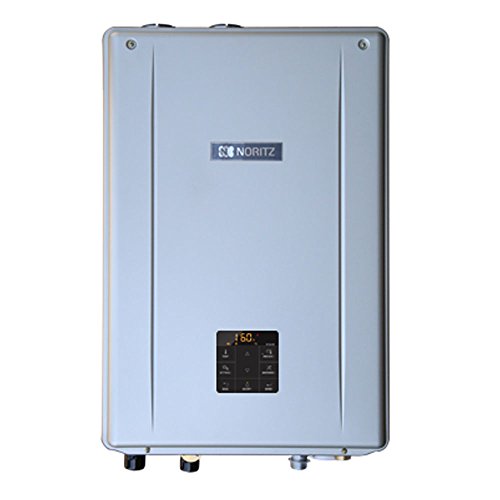
- 100,000 BTU space heating
- Up to 180,000 BTU domestic hot water
- Built-in pump; simultaneous operation
Best For: Natural-gas setups needing a built-in pump
Lower-Output Smart Pick
Rinnai I-SERIES Plus IP060160C
- 60,000 BTU space heating; 160,000 BTU hot water
- 96% AFUE rating
- Wi-Fi capability and gas-adaptive controls
Best For: Lower heating loads with smart-control needs
Propane Pump Pick
- Propane-powered indoor combi boiler
- 120,000 BTU heating; 199,900 BTU hot water
- Built-in pump; simultaneous operation
Best For: Propane setups needing a built-in pump
High-Output Pick
Rinnai I-SERIES Plus IP199199C
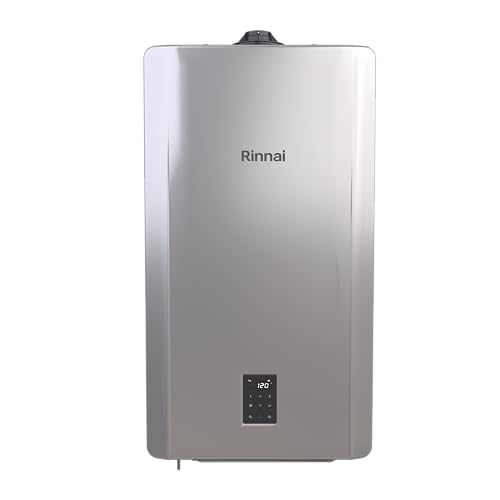
- 199,000 BTU heating and hot-water ratings
- Listed 96% AFUE rating
- Wi-Fi-capable controls
Best For: High-output heating and hot water with connected controls
Simultaneous-Use Pick
- Simultaneous hot water and heating
- 199,900 BTU/h hot water; 120,000 BTU/h heat
- Built-in pump and wall bracket
Best For: Natural-gas homes needing simultaneous hot water and heating
Wall-Mounted Rinnai Pick
Rinnai I-SERIES Plus IP175199C
- 175,000 BTU heat; 199,000 BTU hot water
- Listed 96% AFUE rating
- Wall-mounted with Wi-Fi capability
Best For: Wall-mounted installation with a higher hot-water than heating rating
Balanced 90K Pick
Rinnai IP090199C I-SERIES Plus
- 90K BTU heating; 199K BTU hot water
- 96% AFUE rating
- Wi-Fi-capable, wall-mounted design
Best For: 90K BTU heating with a 199K BTU hot-water rating
Higher-Heat Pick
Rinnai IP120199C I-SERIES Plus
- 120K BTU heating; 199K BTU hot water
- 96% AFUE rating
- Smart Connect Wi-Fi capability
Best For: Higher space-heating capacity with a 199K BTU hot-water rating
Lower-DHW 90K Pick
Rinnai IP090099C I-SERIES Plus
- 90K BTU heating; 99K BTU hot water
- 96% AFUE rating
- Indoor, wall-mounted design
Best For: 90K BTU heating where a 99K BTU hot-water rating fits
High-Output Smart Pick – Rinnai I-SERIES Plus IP150199C
Among combi boilers for hot water and heat, the Rinnai IP150199C pairs 150,000 BTU of space-heating output with 199,000 BTU for domestic hot water. It is a wall-mounted, indoor condensing unit designed for natural gas or propane.
Best For: Buyers who need substantial heating output and want connected controls for one combined system.
Pros:
- 96% AFUE rating.
- Smart Sense gas-adaptive technology and Smart Connect Wi-Fi capability.
- Supports common venting for up to eight units.
Cons:
- The listed 5-year labor warranty requires registration within 90 days of installation; otherwise, it defaults to one year.
- Its 150,000 BTU space-heating output may be more than a smaller application requires.
This is the higher-space-heating-output Rinnai option in this roundup. Match the unit to your heating load and installation plans before choosing it for its capacity or controls.
For shoppers comparing combi boilers for hot water and heat, the natural-gas Noritz NRCB180DV-NG combines up to 100,000 BTU of space heating with up to 180,000 BTU for domestic hot water. Noritz lists simultaneous heating and hot-water operation, plus a built-in pump.
Best For: Natural-gas installations that call for a built-in pump and simultaneous heating and hot water.
Pros:
- Supports simultaneous domestic hot water and space heating.
- Built-in pump reduces the need to source that component separately.
- Direct-vent indoor design is standard-vent convertible.
Cons:
- This model is specified for natural gas, not propane.
- Its 100,000 BTU space-heating maximum is lower than the higher-output models listed here.
The NRCB180DV-NG is worth a closer look if the built-in pump and natural-gas configuration fit your project. Check the separate heating and hot-water ratings against your needs rather than relying on the 180,000 BTU figure alone.
The Rinnai IP060160C is one of the lower-space-heating-output combi boilers for hot water and heat in this lineup: it provides 60,000 BTU for space heating and 160,000 BTU for domestic hot water. This indoor, wall-mounted model is listed for natural gas or propane.
Best For: Projects suited to a 60,000 BTU heating rating that still need combined hot water and smart-control capability.
Pros:
- 96% AFUE rating.
- Smart Sense gas-valve technology and Smart Connect Wi-Fi capability.
- Combines space heating and domestic hot water in one appliance.
Cons:
- The 60,000 BTU space-heating rating may not suit a larger heating load.
- The listed 5-year labor warranty requires registration within 90 days of installation; otherwise, it defaults to one year.
Choose this over the higher-output Rinnai when its smaller heating rating better matches the job. Its 160,000 BTU hot-water rating is separate from its 60,000 BTU space-heating rating.
If your search for combi boilers for hot water and heat requires propane, the Noritz NRCB199DV-LP is an indoor, wall-mounted option with up to 120,000 BTU for space heating and 199,900 BTU for domestic hot water. It includes a built-in pump and is specified for simultaneous operation.
Best For: Propane installations that need a built-in pump and the listed 120,000 BTU space-heating capacity.
Pros:
- Supports simultaneous domestic hot water and heating.
- Built-in pump and wall bracket are listed features.
- Direct-vent design is standard-vent convertible.
Cons:
- This LP model is specified for propane rather than natural gas.
- Its listed weight is 95 pounds, which matters when planning wall mounting.
The NRCB199DV-LP stands out here as the dedicated propane Noritz choice. Compare its 120,000 BTU heating rating and 199,900 BTU hot-water maximum separately when checking whether it fits your installation.
High-Output Pick – Rinnai I-SERIES Plus IP199199C
Among combi boilers for hot water and heat, the Rinnai IP199199C pairs 199,000 BTU ratings for both space heating and domestic hot water with a listed 96% AFUE rating. It supports natural gas or propane for indoor installation.
Best For: Buyers seeking high-output space heating and hot water with Wi-Fi-capable controls.
Pros:
- 199,000 BTU ratings for both heating and hot water.
- Listed 96% AFUE rating and Smart Sense Gas Valve technology.
- Smart Connect Wi-Fi capability and a front-panel display.
Cons:
- Requires a gas supply and a 120-volt electrical connection.
- The listed five-year labor warranty requires registration within 90 days; otherwise, it defaults to one year.
Its equal heating and hot-water ratings make it the stronger space-heating option of the two listed Rinnai models. Confirm fuel, installation, and warranty requirements before ordering.
Simultaneous-Use Pick – Noritz NRCB199DV-NG
The natural-gas Noritz NRCB199DV-NG is one of the combi boilers for hot water and heat that specifically lists simultaneous domestic hot water and space heating. It is rated for up to 199,900 BTU/h of hot water output and 120,000 BTU/h of space heating.
Best For: Natural-gas households prioritizing simultaneous hot water and heating in a wall-mounted indoor unit.
Pros:
- Supports simultaneous domestic hot water and heating.
- Lists an 11.1 GPM hot-water rating and superior hot-water temperature stability.
- Includes a built-in pump and a wall bracket intended to simplify installation.
Cons:
- This listed model is for natural gas, not propane.
- Its 120,000 BTU/h space-heating rating is lower than its 199,900 BTU/h hot-water rating.
Choose it for its explicitly stated simultaneous operation, but size the heating side against your home’s needs rather than judging it by the larger hot-water figure.
Wall-Mounted Rinnai Pick – Rinnai I-SERIES Plus IP175199C
For shoppers comparing combi boilers for hot water and heat, the wall-mounted Rinnai IP175199C offers a listed 175,000 BTU space-heating rating alongside a 199,000 BTU domestic-hot-water rating. Its condensing design carries a listed 96% AFUE rating.
Best For: Buyers who want a wall-mounted Rinnai with a higher listed hot-water rating than space-heating rating.
Pros:
- 199,000 BTU domestic-hot-water rating.
- Listed 96% AFUE rating and Smart Sense Gas Valve technology.
- Smart Connect Wi-Fi capability, a front-panel display, and natural-gas or propane support.
Cons:
- Its 175,000 BTU heating rating is below the IP199199C’s listed 199,000 BTU heating rating.
- The listed five-year labor warranty requires registration within 90 days; otherwise, it defaults to one year.
This model retains the listed 199,000 BTU hot-water rating of the larger Rinnai while stepping down the heating rating. Check that the latter suits your space-heating needs.
Balanced 90K Pick – Rinnai IP090199C I-SERIES Plus
Among combi boilers for hot water and heat, the Rinnai IP090199C pairs 90,000 BTU of space-heating capacity with a 199,000 BTU domestic hot-water rating. This indoor, wall-mounted unit can run on natural gas or propane.
Best For: Buyers seeking 90K BTU space heating alongside the higher 199K BTU hot-water rating.
Pros:
- 96% AFUE rating.
- Supports simultaneous space heating and domestic hot water.
- Smart Connect Wi-Fi capability and an advanced front-panel display.
Cons:
- Indoor installation only.
- The stated five-year labor warranty requires registration within 90 days; otherwise, it defaults to one year.
Its combination of 90K BTU heating and 199K BTU hot-water capacity distinguishes it from the lower-hot-water-rated 90K model. Confirm that both ratings fit your home’s needs before choosing it.
Higher-Heat Pick – Rinnai IP120199C I-SERIES Plus
For shoppers comparing combi boilers for hot water and heat, the Rinnai IP120199C offers 120,000 BTU of space-heating capacity and a 199,000 BTU domestic hot-water rating. It is an indoor, wall-mounted natural gas or propane model.
Best For: Buyers who need the 120K BTU heating rating without giving up the 199K BTU hot-water rating.
Pros:
- Highest space-heating rating of the three listed models.
- 96% AFUE rating.
- Smart Connect Wi-Fi capability and an advanced front-panel display.
Cons:
- Indoor installation only.
- The stated five-year labor warranty requires registration within 90 days; otherwise, it defaults to one year.
Choose this model for its higher stated space-heating capacity, not simply because it has the largest number on the list. A qualified installer can help determine whether 120K BTU is appropriate for your heating load.
Lower-DHW 90K Pick – Rinnai IP090099C I-SERIES Plus
The Rinnai IP090099C is an option among combi boilers for hot water and heat when its stated 90,000 BTU space-heating and 99,000 BTU domestic hot-water ratings match your needs. This indoor, wall-mounted model supports natural gas or propane.
Best For: Buyers looking for 90K BTU space heating who do not need the 199K BTU hot-water rating of the other listed models.
Pros:
- 96% AFUE rating.
- Combines space heating and domestic hot water in one appliance.
- Smart Connect Wi-Fi capability and an advanced front-panel display.
Cons:
- Its stated 99K BTU hot-water rating is lower than the 199K BTU ratings of the other two models.
- Indoor installation only.
The key distinction is hot-water capacity: it retains a 90K BTU heating rating but has a lower stated domestic hot-water rating. Check anticipated simultaneous hot-water use with an installer before selecting it.
How We Picked the Best Combi Boilers for Hot Water and Heat
We focused on the listed Rinnai I-Series Plus and Noritz NRCB models, comparing their stated space-heating ratings, domestic hot-water ratings, and fuel options. We also considered practical installation questions, including venting, gas supply, and whether an integrated pump may simplify the system design. This is a specification-based comparison, not a substitute for an on-site assessment or a claim of hands-on testing.
Quick Comparison: Match Capacity to Demand
The Rinnai options cover a broad range of listed heating outputs, from 60,000 to 199,000 BTU/h, making them useful to compare when homes have different space-heating loads. The Noritz NRCB180DV-NG lists up to 180,000 BTU/h for domestic hot water and 9.8 GPM, while the NRCB199 models list up to 199,900 BTU/h and 11.1 GPM. Treat maximum GPM figures as comparison points, not guaranteed flow at every faucet: incoming water temperature and the required temperature rise affect actual delivery.
Fuel choice is another quick filter. The listed Noritz NRCB199DV-LP is a propane model; the NRCB180DV-NG and NRCB199DV-NG are natural-gas models. Confirm the exact fuel designation and installation requirements for any Rinnai model before ordering.
Key Buying Factors for Combi Boilers for Hot Water and Heat
Space-Heating Load
Ask an installer for a room-by-room heat-loss calculation rather than sizing solely by square footage or choosing the highest BTU number. A boiler must work with your radiators, baseboards, or radiant-floor system and its required water temperatures. Oversizing can contribute to short cycling.
Simultaneous Hot-Water Use
Count showers, taps, and appliances likely to run together. Check the manufacturer’s hot-water flow rating at a temperature rise that reflects your local incoming water temperature. A high headline GPM number may not translate to the same flow during colder months.
Installation and Operating Costs
Have a qualified contractor verify vent routing, combustion-air requirements, gas-line capacity, condensate drainage, electrical needs, water quality, and local code requirements. Compare installed quotes—not appliance prices alone—and ask about annual service, warranty terms, and local parts support.
Who Should Buy Which Combi Boilers for Hot Water and Heat?
For a lower calculated heating load, start by comparing the smaller Rinnai heating-output options, then check whether their hot-water performance covers peak use. For a higher heating load, compare the larger Rinnai models, but do not assume a larger unit is automatically better. If hot-water demand is the main priority, look closely at the Noritz NRCB180 and NRCB199 flow specifications at your expected temperature rise. If your home uses propane, put the listed NRCB199DV-LP on your shortlist; natural-gas households should evaluate the NG versions and verify fuel compatibility across all candidates. In every case, make the final choice with an installer who can confirm sizing and the complete installation cost.