Choosing the right expansion tank helps protect a closed plumbing or hydronic system from pressure swings, nuisance relief valve discharge, and premature wear.
Below, we focus on the most useful sizing and compatibility factors so you can match the tank to your application with confidence.
Best 10 Expansion Tank for Closed Plumbing System Picks for 2026
Best for Hydronic Heating Loops
Watts ETX-30 4.7-Gallon Expansion Tank

- 4.7-gallon capacity for hydronic heating loops
- Carbon steel tank with epoxy finish
- 1/2" MNPT connection with easy on-site charging
Best For: Residential or commercial closed-loop hydronic heating systems that need dependable thermal expansion control.
Best for Reliable Heating Loops
AMTROL EX-30 Extrol Expansion Tank
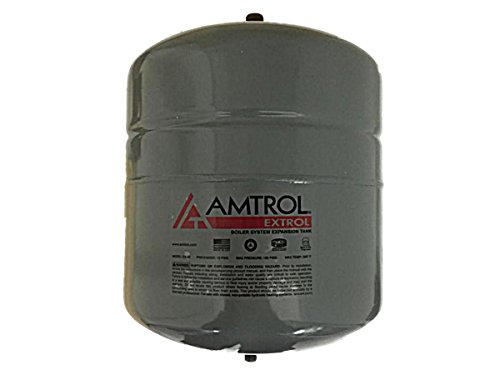
- Factory pre-charged and 100% tested
- Butyl/EPDM diaphragm for long service life
- Durable steel tank for hydronic systems
Best For: Closed-loop heating and chilled water systems that need dependable pressure control.
Best for Hydronic Heating
Watts ETX-15 2.1-Gallon Expansion Tank

- Built for closed-loop hydronic heating systems
- 2.1-gallon capacity with 12 psi pre-charge
- Durable carbon steel tank with epoxy finish
Best For: Homeowners or installers needing a compact non-potable expansion tank for hydronic heat.
Best for Compact Hydronic Systems
AMTROL EX-15 Extrol Expansion Tank

- 2-gallon tank for smaller closed loops
- Butyl/EPDM diaphragm for durability
- Precharged to 12 psig; 100 psig max pressure
Best For: Closed hydronic heating and cooling systems that need a compact, durable expansion tank.
Best for Closed-Loop Hydronic Systems
Watts ETX-90 6-Gallon Expansion Tank

- 6-gallon tank for many residential and light commercial systems
- Pre-charged 12 psi bladder design simplifies setup
- Carbon steel construction with epoxy finish for durability
Best For: Hydronic heating systems that need a dependable non-potable expansion tank.
Best for Closed-System Pressure Control
Amtrol ST-12 Thermal Expansion Tank

- Reduces pressure buildup in closed plumbing systems
- Helps stop relief valve water discharge
- Protects water heaters and fixtures from excess wear
Best For: Closed potable water systems that need reliable thermal expansion control.
Best Direct ETX-15 Replacement
Hydronic Expansion Tank 2.1 Gallon
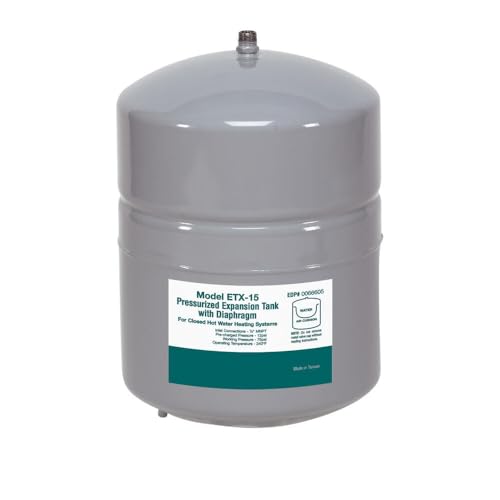
- 1/2" MNPT connection for ETX-15-style replacements
- Factory pre-charged to 12 PSI
- Butyl diaphragm and steel shell for closed-loop use
Best For: Installers or homeowners replacing a tank in a closed-loop boiler or radiant heating system.
Best for Small Spaces
EFIELD 2.1-Gallon Water Heater Expansion Tank

- Compact 2.1-gallon size suits tight utility areas
- 3/4 in MNPT connection for common installations
- Potable-water-safe construction for household use
Best For: Homeowners who need a compact, standard-connection expansion tank for a closed plumbing system.
Best for Hydronic Heating Loops – Watts ETX-30 4.7-Gallon Expansion Tank
If you need an expansion tank for closed plumbing system use in a hydronic heating loop, the Watts ETX-30 is built for the job. Its carbon steel body, epoxy finish, and pre-charged bladder design help control thermal expansion and keep system pressure in check.
Best For: Residential or commercial closed-loop hydronic heating systems that need a durable, straightforward expansion tank with standard piping connections.
Pros:
- 4.7-gallon tank volume supports common hydronic heating applications
- Durable carbon steel construction with epoxy finish
- 1/2″ MNPT connection and tire-style charging valve make installation simple
- Pre-charged design helps reduce setup time
Cons:
- Made for non-potable water only
- Not ideal if you need a higher-pressure or larger-capacity tank
For buyers comparing an expansion tank for closed plumbing system applications, this Watts model is a practical, no-frills choice focused on reliable pressure control rather than extra features. It fits best where standard hydronic performance and easy integration matter most.
Best for Reliable Heating Loops – AMTROL EX-30 Extrol Expansion Tank
If you need a dependable expansion tank for closed plumbing system applications, the AMTROL EX-30 is a proven pick with a factory pre-charged air cushion and a durable diaphragm design. It’s built to manage pressure changes in hydronic heating and chilled water systems while helping protect the rest of the plumbing from expansion-related stress.
Best For: Homeowners and pros who want a tried-and-true tank for closed-loop heating or chilled water setups.
Pros:
- Butyl/EPDM diaphragm is designed for long service life
- Factory pre-charged and 100% tested for consistency
- Strong deep-drawn steel tank adds durability
- Well-known Extrol design with a long track record
Cons:
- Not intended for open plumbing or general water storage use
- May be more tank than needed for very small systems
For buyers comparing an expansion tank for closed plumbing system use, this model stands out for its straightforward, proven construction and steady pressure control. It’s a practical choice when reliability matters more than extra features.
Best for Hydronic Heating – Watts ETX-15 2.1-Gallon Expansion Tank
If you need an expansion tank for closed plumbing system applications, the Watts ETX-15 is a practical fit for closed-loop hydronic heating setups. Its 2.1-gallon capacity and 12 psi pre-charge help manage thermal expansion, keep pressure in check, and reduce stress on the relief valve.
Best For: Residential or light commercial hydronic heating systems that need a compact, dependable non-potable expansion tank.
Pros:
- Designed specifically for closed-loop hydronic heating systems
- 2.1-gallon tank with 12 psi pre-charge for pressure control
- Carbon steel construction with epoxy finish for durability
- 1/2-inch MNPT connection supports straightforward installation
Cons:
- Not intended for potable water systems
- Smaller capacity may not suit larger heating loops
For buyers comparing an expansion tank for closed plumbing system use, this model stands out for its simple sizing, reliable pressure buffering, and hydronic-focused design. It’s a solid choice when you want a compact tank that supports long-term system stability without unnecessary complexity.
Best for Compact Hydronic Systems – AMTROL EX-15 Extrol Expansion Tank
If you need an expansion tank for closed plumbing system use in a hydronic heating or cooling loop, the Amtrol EX-15 is a straightforward pick. Its 2-gallon capacity, factory precharge, and heavy-duty diaphragm make it a practical fit for smaller closed-loop installs where reliability matters more than extra size.
Best For: Closed hydronic heating and cooling systems that need a compact, durable expansion tank.
Pros:
- Designed for closed hydronic heating and cooling systems
- Thick Butyl/EPDM diaphragm for long service life
- Factory precharged to 12 psig for easier setup
- Handles up to 100 psig working pressure and 240°F
Cons:
- Not for potable water applications
- 2-gallon size may be too small for larger systems
Overall, the EX-15 is a solid no-fuss expansion tank for closed plumbing system applications where you want dependable pressure control in a compact format. If your loop is modest in size and non-potable, it covers the core job well.
Best for Closed-Loop Hydronic Systems – Watts ETX-90 6-Gallon Expansion Tank
If you need an expansion tank for closed plumbing system use in a hydronic heating setup, the Watts ETX-90 is built for the job. Its 6-gallon capacity, pre-charged 12 psi bladder design, and 75 psi maximum rating make it a practical fit for controlling thermal expansion and helping keep pressure in check.
Best For: Homeowners, installers, and maintenance pros adding a reliable non-potable expansion tank to a closed-loop heating system.
Pros:
- 6-gallon capacity suits many residential and light commercial hydronic systems
- Pre-charged at 12 psi for straightforward installation and setup
- Carbon steel tank with epoxy finish for durable, long-term use
- Designed to manage thermal expansion and protect the relief valve
Cons:
- Non-potable use only, so it is not for drinking water systems
- May be larger than necessary for very small heating loops
Overall, the ETX-90 is a solid, no-frills expansion tank for closed plumbing system applications where dependable pressure control matters more than extra features. It’s a sensible pick for standard hydronic heating installs that need proven performance and easy system integration.
Best for Closed-System Pressure Control – Amtrol ST-12 Thermal Expansion Tank
If you need an expansion tank for closed plumbing system setups, the Amtrol ST-12 is built to reduce pressure spikes caused by backflow preventers, check valves, and pressure-reducing valves. It gives heated water a place to expand, helping keep the relief valve from dumping water and protecting the water heater and fixtures from excess wear.
Best For: Homes with closed potable water systems that need dependable thermal expansion control without a complicated install.
Pros:
- Helps prevent relief valve discharge from thermal expansion
- Supports longer water heater and fixture life
- Designed specifically for closed potable hot water systems
- 4.4-gallon size suits many standard residential setups
Cons:
- Requires enough installation space near the water heater
- May be oversized for very small plumbing systems
- Performance depends on proper sizing and installation
For buyers comparing an expansion tank for closed plumbing system protection, the ST-12 is a practical, code-friendly choice that focuses on the core job: controlling thermal expansion before pressure becomes a problem. It is a solid fit if you want a proven tank that prioritizes system protection over extra features.
Best Direct ETX-15 Replacement – Hydronic Expansion Tank 2.1 Gallon
If you need an expansion tank for closed plumbing system applications like boilers or radiant heat, this 2.1-gallon hydronic model is built for that exact job. It ships pre-charged to 12 PSI, uses a standard 1/2" MNPT connection, and is sized for compact mechanical rooms where a reliable replacement matters.
Best For: Homeowners and installers replacing an ETX-15-style tank in a closed-loop heating system.
Pros:
- Direct-fit 1/2" MNPT replacement for many ETX-15-style setups
- Pre-charged to 12 PSI with adjustable Schrader valve
- Butyl diaphragm helps separate water and air for longer service life
- Compact size works well in tight utility spaces
Cons:
- Not suitable for potable water systems
- 2.1-gallon capacity may be too small for larger hydronic loops
Overall, this is a practical expansion tank for closed plumbing system use when you want a straightforward replacement instead of a universal tank. Its main advantage is compatibility: the size, pressure charge, and connection style all line up with common residential hydronic installs.
Best for Small Spaces – EFIELD 2.1-Gallon Water Heater Expansion Tank
If you need an expansion tank for closed plumbing system setups, this EFIELD 2.1-gallon model is a practical fit for protecting your water heater from excess thermal pressure without taking up much room. Its compact size, standard 3/4 in MNPT connection, and potable-water-safe construction make it an easy everyday choice for many home installations.
Best For: Homeowners who want a compact, drinking-water-safe expansion tank for standard water heater setups.
Pros:
- 2.1-gallon capacity helps absorb thermal expansion and reduce pressure stress
- 3/4 in MNPT connection keeps installation straightforward on common systems
- Safe for potable water, making it suitable for household plumbing use
- Compact design fits better in tight utility spaces
Cons:
- Smaller capacity may not suit larger or higher-demand systems
- Basic design lacks premium installation extras
- May require checking compatibility with existing mounting space
Overall, this is a sensible pick if you want a compact expansion tank for closed plumbing system protection without overbuying capacity. It focuses on the essentials: pressure relief, potable-water safety, and easy compatibility with standard residential water heaters.
Best for Potable Systems – Potable 2.1-Gal Expansion Tank
If you need an expansion tank for closed plumbing system use with potable water, this compact 2.1-gallon model is built for water heaters, solar thermal loops, RVs, boats, and off-grid setups. It combines a 3/4″ MNPT stainless connection, EPDM diaphragm, and a pressure-rated steel body to help control thermal expansion and reduce nuisance relief-valve discharge.
Best For: Homeowners and mobile-system users who want a compact potable-water expansion tank for closed-loop hot water and solar applications.
Pros:
- Food-grade 304 stainless steel connection and EPDM diaphragm for potable water systems
- Compact 2.1-gallon size suits tight installs in homes, RVs, boats, and off-grid systems
- Thick-walled steel construction with factory-tested pressure rating up to 207 PSI
- Dual O-ring air valve helps reduce pressure loss and leakage
Cons:
- Small capacity may not be enough for larger residential or high-demand systems
- Requires operating pressure at or below 150 PSI for safe long-term use
- Single 3/4″ connection limits flexibility if your plumbing size differs
This is a practical option if you want a compact expansion tank for closed plumbing system protection without moving up to a larger residential tank. Its potable-water materials and pressure-handling features make it a strong fit for mixed-use applications where space and reliability both matter.
Best Simple Pick – 1 Gallon Potable Expansion Tank
If you need an expansion tank for closed plumbing system use where potable-water compatibility matters, this 1-gallon model is built for compact installations and pressure control. Its 3/4" MNPT stainless connection, EPDM diaphragm, and thick-walled steel body make it a practical fit for water heaters, RVs, marine systems, and small off-grid setups.
Best For: Homeowners and mobile-system owners who want a compact potable expansion tank for water heaters, solar thermal loops, and other closed plumbing systems.
Pros:
- Food-grade 304 stainless steel connection and EPDM diaphragm for potable water use
- Compact 1-gallon size works well in tight mechanical spaces and smaller systems
- Rated for high pressure testing up to 207 PSI with water hammer resistance
- Dual O-ring air valve helps reduce leakage and pressure loss
Cons:
- 1-gallon capacity may be too small for larger homes or high-expansion systems
- Requires operating pressure to stay at or below 150 PSI for sustained use
- Not ideal if you need a non-potable or larger commercial-style tank
Overall, this is a solid choice if you want a compact, potable expansion tank for closed plumbing system applications and need reliable pressure buffering without taking up much room. It is especially appealing for mixed-use installs where space, corrosion resistance, and compatibility with drinking water all matter.
How We Picked the Best Expansion Tank for Closed Plumbing System
We prioritized compatibility with closed-loop plumbing and hydronic setups, tank size range, connection type, and whether each model is designed for potable or non-potable use. We also looked for practical capacities that fit common water heater and heating-system applications without oversizing the tank.
Quick Comparison
Smaller 1 to 2.1-gallon tanks are typically best for compact water heater installations and light-duty thermal expansion control. Mid-size hydronic models around 15 to 30 gallons better suit closed-loop heating systems with larger water volume. Larger tanks are most useful when system volume, temperature swing, or pressure stability needs are higher.
Key Buying Factors for an Expansion Tank for Closed Plumbing System
Potable Vs. Non-Potable Use
This is the first filter to check. A thermal expansion tank for a water heater must be rated for potable water. Hydronic expansion tanks are usually non-potable and intended for closed-loop heating systems only.
Tank Capacity
Capacity should match system volume, incoming water pressure, and temperature rise. If the tank is too small, pressure can still spike; if it is too large, you may spend more without improving performance. When in doubt, choose based on the system’s expected expansion volume rather than tank size alone.
Connection Size and Orientation
Most residential tanks use 3/4-inch or 1/2-inch MNPT fittings, but the right connection depends on the system piping and available mounting location. Confirm clearance, mounting direction, and any manufacturer limits before buying.
System Type and Pressure Needs
A standard Expansion Tank for Closed Plumbing System applications should be selected differently for domestic water, boiler loops, and solar or specialty systems. Pressure rating, precharge, and diaphragm design all matter when the loop operates at higher temperatures or pressures.
Who Should Buy Which Expansion Tank for Closed Plumbing System?
If you need a tank for a water heater, look for potable-rated models with compact capacity and a 3/4-inch MNPT connection. If you are shopping for a boiler or hydronic loop, choose a non-potable expansion tank sized for the system volume and pressure range. Buyers replacing an existing unit should match the old tank’s capacity, connection, and application type as closely as possible for the safest fit.
For most shoppers, the best choice comes down to three things: correct use classification, correct size, and correct connection. Get those right, and the tank should do its job quietly in the background.
