Variable speed duct booster fans can improve airflow, reduce hot or stale spots, and help you fine-tune ventilation without overdoing the noise.
Whether you need a compact inline fan for a small run or a higher-pressure option for longer ducts, the right model depends on airflow, control, and installation fit.
Best 10 Variable Speed Duct Booster Fans Picks for 2026
Quiet Balanced Choice

- 10-speed controller with UIS compatibility
- Quiet EC motor at 32 dBA
- 402 CFM mixed-flow design
Best For: Quiet, efficient inline ventilation with adjustable speed
Dryer Vent Specialist
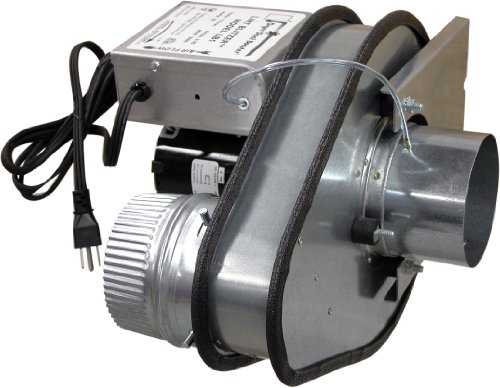
- Automatic activation for dryer exhaust
- Lint-repelling impeller design
- Supports runs up to 100 equivalent feet
Best For: Long dryer vent runs needing automatic boosting
High-Output Variable Control

- 469 CFM airflow in a 6-inch size
- Variable speed controller for tuning output
- EC motor with IP44 junction box
Best For: High-airflow inline ventilation with adjustable speed
Strong Booster Pick

- Designed to boost existing HVAC airflow
- Variable speed controller with 3 levels
- 428 CFM with vibration-reducing body
Best For: Increasing airflow in home HVAC runs and work areas
Auto-Sensing Booster
VEVOR 6-Inch Inline Fan with Temp/Humidity Control

- Automatic speed control adjusts to temperature and humidity.
- 402 CFM airflow with a quiet 32 dB EC motor.
- Includes clamps, rubber mats, and straps for easier setup.
Best For: Grow tents and spaces needing automatic airflow control
Compact Low-Watt Booster
Hon&Guan 4-Inch Inline Fan with Speed Control

- Adjustable speed controller for airflow and noise tuning.
- Only 6W power use with 130 CFM airflow.
- Quiet 26 dBA operation for indoor ventilation.
Best For: Small duct runs and low-noise DIY ventilation
Manual Control Booster
VEVOR 6-Inch Inline Fan with Variable Speed Knobs

- Manual knobs for on-the-fly airflow adjustment.
- 400 CFM output with 34 dB quiet operation.
- Includes hanging and mounting accessories.
Best For: Users wanting simple manual control in a 6-inch booster fan
Compact Quiet Ventilation Pick
VIVOSUN P6 6" Inline Fan & Speed Control

- 345 CFM output for smaller duct setups
- Stepless control for precise airflow tuning
- Quiet 32 dB operation with EC motor efficiency
Best For: Small to mid-size spaces needing quiet, adjustable ventilation
High-Pressure 8-Inch Performer
Toolazy 8 Inch Inline Booster Duct Fan

- 640 CFM with 171 Pa static pressure
- 0-100% variable speed control
- 118-inch controller cord for flexible placement
Best For: Large duct systems, grow rooms, and back-pressure-heavy runs
Small Space Speed-Control Option
VIVOSUN P4 4" Inline Fan & Speed Control

- 130 CFM output in a compact 4-inch size
- Stepless control and quiet 26 dB operation
- EC motor for efficient everyday ventilation
Best For: Compact ducts and quiet, adjustable ventilation
Quiet Balanced Choice – AC Infinity CLOUDLINE S6
If you want variable speed duct booster fans that can handle both airflow and noise control, the AC Infinity CLOUDLINE S6 is a strong all-around pick. Its 10-speed wired controller and compatible UIS smart controls make it easy to fine-tune ventilation for grow tents, AV racks, or rooms that need better air transfer.
Best For: Users who want quiet, energy-efficient inline ventilation with flexible speed control.
Pros:
- PWM-controlled EC motor delivers quiet, energy-efficient operation.
- 10-speed wired controller plus UIS controller compatibility for flexible setup.
- Mixed flow design helps move air through higher resistance duct runs.
- Rated at 402 CFM with a low 32 dBA noise level.
Cons:
- 6-inch size may not fit larger duct systems.
- Designed for inline use, so installation is more involved than a simple plug-in fan.
Overall, this is a practical option if your priority is balancing strong airflow with quiet operation and controllable speed settings. It fits well in setups where precision matters more than raw blast.
Dryer Vent Specialist – Tjernlund LB2 Lint Blitzer
Tjernlund LB2 No-Clog, Zero Maintenance DEDPV Dryer Duct Booster Fan with Automatic Activation
Check Price On AmazonAmong variable speed duct booster fans, the Tjernlund LB2 stands out because it is purpose-built for dryer exhaust runs. It uses automatic activation to help maintain proper exhaust velocities in longer ducts, especially in homes where the dryer vent run is 25 feet or more.
Best For: Homes with long dryer exhaust ducts that need automatic boosting and low-maintenance operation.
Pros:
- Automatic activation makes it convenient for dryer exhaust use.
- Lint Blitzer impeller is designed to repel lint.
- Permanently lubricated motor is positioned outside the air stream for longer life.
- Helps maintain exhaust velocities in duct runs up to 100 equivalent feet.
Cons:
- Made specifically for dryer ducts, so it is not a general-purpose HVAC fan.
- Bulkier and heavier than compact inline booster fans.
This is a specialized choice rather than a universal one, but that focus is a strength if your main problem is weak dryer vent performance. For the right application, it offers a low-maintenance way to support airflow.
High-Output Variable Control – Hon&Guan 6 Inch Inline Fan
If you need variable speed duct booster fans with a bigger airflow figure, the Hon&Guan 6 inch inline fan is built for high-output ventilation. Its EC motor, variable speed controller, and mixed flow design make it suitable for long duct runs, grow rooms, AV closets, and other spaces that need adjustable air movement.
Best For: Buyers who want strong airflow and variable speed control for cooling, exhaust, or grow-room ventilation.
Pros:
- High 469 CFM airflow rating in a compact 6-inch format.
- Variable speed controller helps precisely optimize fan output.
- EC motor is designed for quiet, energy-efficient performance.
- IP44 junction box and removable duct ends support practical installation and maintenance.
Cons:
- Reported noise level is higher in the product details than some quiet-focused alternatives.
- Best suited to inline setups rather than simple surface mounting.
For users who want more airflow headroom and still need controllable speed, this fan is a compelling option. It is especially attractive when you need one unit that can cover cooling, exhausting, and ventilation jobs.
Strong Booster Pick – AC Infinity RAXIAL S8
The AC Infinity RAXIAL S8 is aimed at users who need variable speed duct booster fans to increase existing HVAC airflow in rooms like workshops, basements, bathrooms, and kitchens. Its speed controller lets you adjust airflow and noise, while the die-cast body is built to reduce vibration during operation.
Best For: Boosting existing duct airflow in indoor spaces where speed and noise need to be balanced.
Pros:
- Variable speed controller helps tailor airflow to the application.
- Unibody die-cast construction is designed to reduce vibration.
- 428 CFM airflow is well suited to duct boosting tasks.
- Steel blades and dual ball bearings support a durable build.
Cons:
- Not suitable for restricted airflow applications.
- Only 3 speed levels, so control is less granular than some rivals.
This is a solid pick if your goal is to strengthen existing airflow rather than create a primary ventilation system. It offers a good mix of boost performance and practical speed adjustment for common home and workshop uses.
Auto-Sensing Booster – VEVOR 6-Inch Inline Fan with Temp/Humidity Control
If you want variable speed duct booster fans that can adapt without constant tweaking, this 6-inch VEVOR model is built for hands-off airflow control. Its temperature and humidity controller automatically adjusts air speed, while the 402 CFM rating and quiet EC motor make it a strong fit for rooms that need steady ventilation with minimal noise.
Best For: Grow tents, hydroponic spaces, basements, kitchens, and other areas that need automatic airflow adjustment.
Pros:
- Automatic variable speed controller responds to temperature and humidity.
- 402 CFM airflow is suitable for wider ventilation and dehumidification needs.
- Quiet EC motor is rated at 32 dB and uses less energy than standard setups.
- Includes clamps, non-vibration rubber mats, and straps for installation.
Cons:
- Requires a 110-volt power source.
- Built around a 6-inch duct size, so it is not a universal fit for smaller runs.
This is a practical choice if you want an inline booster that can manage airflow automatically instead of relying on manual adjustments. It pairs high airflow with low noise and a useful installation kit, making it especially appealing for controlled environments.
Compact Low-Watt Booster – Hon&Guan 4-Inch Inline Fan with Speed Control
For smaller runs where variable speed duct booster fans need to stay simple and efficient, this Hon&Guan 4-inch model offers a basic adjustable controller with very low power draw. It moves 130 CFM, runs at 26 dBA, and is designed to boost airflow in bathrooms, kitchens, workshops, basements, and grow rooms.
Best For: Small duct runs, compact ventilation jobs, and DIY installs where low noise and low energy use matter.
Pros:
- Variable speed controller lets you adjust airflow and noise.
- Very low 6W power consumption helps keep operating costs down.
- Quiet 26 dBA output is well suited to indoor spaces.
- Compact 4-inch design works for tighter ducting applications.
Cons:
- 130 CFM is modest compared with larger inline fans.
- Plastic construction may feel less rugged than metal-bodied alternatives.
This model makes sense when you want a small booster fan that is easy to live with day to day. It prioritizes efficiency and adjustability over raw airflow, which is ideal for modest ventilation needs.
Manual Control Booster – VEVOR 6-Inch Inline Fan with Variable Speed Knobs
If you prefer variable speed duct booster fans with direct manual control, this VEVOR 6-inch inline fan gives you adjustable airflow through simple knobs instead of automatic sensing. It delivers 400 CFM, uses a quiet AC motor rated at 34 dB, and is designed for moving heat, humidity, and smoke in spaces like grow tents, kitchens, and basements.
Best For: Users who want a straightforward adjustable fan for grow tents, indoor ventilation, and other general booster applications.
Pros:
- Manual knobs let you adjust speed to match ventilation needs.
- 400 CFM airflow is strong enough for broader ventilation tasks.
- Quiet AC motor operates at 34 dB while saving energy.
- Includes hang-up slings, rubber mats, straps, and screws for installation.
Cons:
- Does not include automatic temperature or humidity sensing.
- Plastic construction may be less durable than metal-bodied fans.
This is a solid pick if you want control in your own hands rather than relying on automatic adjustment. It combines high airflow, modest noise, and included mounting accessories in a straightforward package.
Compact Quiet Ventilation Pick – VIVOSUN P6 6" Inline Fan & Speed Control
If you need variable speed duct booster fans for a smaller space, the VIVOSUN P6 offers a practical mix of 345 CFM airflow, a quiet 32 dB rating, and stepless speed control. It is designed for inline use on walls, ceilings, or duct openings, so it fits well in setups where steady exhaust or air circulation matters more than raw size.
Best For: Small to mid-size spaces that need quiet, adjustable exhaust or ventilation.
Pros:
- Up to 345 CFM for solid airflow in compact duct runs
- Stepless speed regulator for precise adjustment
- Quiet 32 dB operation helps keep noise low
- EC motor aims for efficiency and lower maintenance
Cons:
- 6-inch size may be too small for larger, high-demand runs
- Best suited to moderate airflow needs rather than heavy commercial duty
Overall, this is a sensible pick if you want controlled airflow without much noise or complexity. Its safety features, durable housing, and flexible mounting options make it a straightforward choice for everyday ventilation tasks.
High-Pressure 8-Inch Performer – Toolazy 8 Inch Inline Booster Duct Fan
Among variable speed duct booster fans, the Toolazy 8-inch model stands out for moving air through longer or more restrictive runs. It delivers 640 CFM with 171 Pa of static pressure, so it is built for duct systems where bends, filters, and back pressure can reduce weaker fans.
Best For: Large grow rooms, HVAC runs, and duct systems with strong back pressure.
Pros:
- 640 CFM airflow with 171 Pa static pressure for demanding ducts
- 0-100% rotary speed control for flexible output
- 118-inch total controller cord adds installation freedom
- EC motor and dual ball bearings support continuous-duty use
Cons:
- At 45 dB(A), it is not the quietest option here
- 8-inch size is better suited to larger installations than compact spaces
This fan is the strongest fit in the group when pressure performance matters as much as airflow. If your ducting includes long runs or resistance-heavy components, the higher static pressure gives it an advantage.
Small Space Speed-Control Option – VIVOSUN P4 4" Inline Fan & Speed Control
If you want variable speed duct booster fans for a compact space, the VIVOSUN P4 is built around a small footprint and low noise. It delivers up to 130 CFM at just 26 dB(A), making it a good fit for lighter ventilation tasks where adjustable airflow is useful but a large fan would be unnecessary.
Best For: Compact rooms, small ducts, and low-noise ventilation needs.
Pros:
- Very quiet 26 dB(A) operation for everyday use
- Stepless speed control for precise airflow changes
- Small 4-inch design fits compact duct systems
- EC motor supports efficient operation
Cons:
- 130 CFM is modest compared with larger inline fans
- Not ideal for long, highly restrictive duct runs
For buyers focused on control and quiet operation in a smaller system, this model is easy to recommend. It keeps the same adjustable approach as the larger version, but in a more compact format.
How We Picked These Variable Speed Duct Booster Fans
We focused on real buying factors: airflow rating, speed-control flexibility, noise expectations, pressure capability, duct size compatibility, and whether the fan is suited to continuous ventilation, drying, or supplemental HVAC boosting. We also looked for models with practical controllers or automation features that make day-to-day use easier.
Quick Comparison: What Matters Most
The biggest differences among Variable Speed Duct Booster Fans are duct diameter, airflow, and control style. Smaller 4-inch fans are best for tighter spaces and lighter-duty runs, while 6-inch and 8-inch models usually move more air and handle longer duct paths more effectively. If you need hands-off operation, look for temperature, humidity, or automatic activation controls. If you want maximum flexibility, choose a unit with a true variable-speed controller.
Key Buying Factors for Variable Speed Duct Booster Fans
Airflow and Static Pressure
CFM tells you how much air a fan can move, but pressure matters when ducting is long, restrictive, or has multiple bends. For booster use, a fan with stronger pressure performance is often more useful than a high CFM number alone.
Noise and Motor Type
EC motors are often more efficient and quieter at lower speeds than basic motors, while AC models can still be a good value. If the fan will run in a living space, basement, or bedroom-adjacent area, lower noise should be a priority.
Controls and Automation
Some Variable Speed Duct Booster Fans use simple dial controllers, while others add temperature or humidity sensing, automatic activation, or smart-style convenience. Choose manual control if you want simplicity; choose automation if you want the fan to respond to changing conditions without constant adjustment.
Size and Installation Fit
Match the fan to your duct diameter first, then confirm available space, mounting orientation, and power requirements. An oversized fan can be harder to install and may not provide a meaningful benefit if the duct system itself is undersized.
Who Should Buy Which Variable Speed Duct Booster Fans?
Choose a 4-inch model for small rooms, compact exhaust runs, and light boosting needs. Pick a 6-inch fan for the most versatile home, workshop, and general ventilation use. Go with an 8-inch unit if you need higher airflow for larger ducts or longer runs with more resistance. If you are boosting a dryer vent, use a purpose-built dryer booster fan with safety-focused automatic activation rather than a general-purpose inline fan.
For most shoppers, the best choice is the fan that balances duct size, controllability, and pressure performance for the exact space you are trying to ventilate.
