Reliable power matters on the water, whether you are maintaining a house battery at the dock, topping up a power station, or running small onboard electronics away from shore power.
We compared 10 portable solar panels for boating across output, portability, charging compatibility, durability, and ease of setup to help you choose a practical match for your boat and battery system.
Best 10 Portable Solar Panels for Boating Picks for 2026
Best Flexible Marine Panel

- Lightweight 2.3-pound semi-flexible design
- Bends up to 30 degrees for curved surfaces
- ETFE surface with MC4 leads
Best For: Compact 12V boat and mobile off-grid installations
Best Complete Marine Kit
ECO-WORTHY 200W Solar Panel Kit
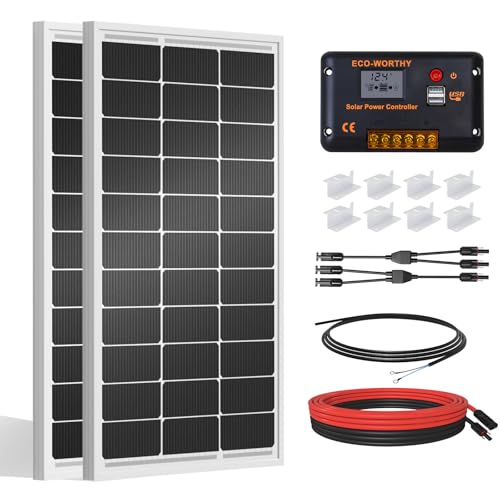
- Two 100W monocrystalline panels
- Includes 30A PWM controller and cables
- Can connect in 12V or 24V configurations
Best For: Higher-output boat systems needing included installation components
Best Foldable Power Station Panel
GRECELL UB200 200W Portable Panel

- 200W foldable panel weighing about 10.1 pounds
- Up to 23.5% stated conversion efficiency
- Multiple connectors for power stations
Best For: Temporary boat charging with a compatible power station
Best Battery Maintainer

- Compact 3-pound 20W panel
- Includes 8A three-stage charge controller
- 360-degree adjustable mounting bracket
Best For: Maintaining compatible 12V boat batteries
High-Efficiency Pick
Renogy 100W Foldable Solar Panel

- 25% efficient N-type solar cells
- IP67 waterproof ETFE construction
- USB outputs and power-station compatibility
Best For: Boaters seeking efficient, durable portable charging
Battery Maintenance Pick

- Built for compatible 12V marine batteries
- Includes 10A PWM charge controller
- Frame, cables, and battery terminals included
Best For: Maintaining boat and RV lead-acid batteries
Universal Connectivity Pick
ZOUPW 100W Foldable Solar Panel

- 23.5% efficient monocrystalline cells
- Includes a 5-in-1 connector cable
- IP67 waterproof design with USB charging
Best For: Boaters using multiple power-station brands
Lightweight 200W Pick

- 200W foldable panel weighs 9.7 lb
- 9.84-ft cable supports flexible placement
- Includes controller, USB ports, and multiple connectors
Best For: Portable 12V boat charging with a balance of output and weight
Compact Budget Pick

- Six-pound foldable design stores easily
- 9.84-ft cable enables flexible sun positioning
- Includes controller, USB ports, and varied connectors
Best For: Basic 12V battery maintenance and small-device charging
Best Flexible Marine Panel – DOKIO 100W ETFE Solar Panel
For boaters looking at portable solar panels for boating, the DOKIO 100W panel is a lightweight option that can follow curved surfaces. Its semi-flexible design, ETFE surface, and MC4 leads suit compact 12V marine and off-grid installations.
Best For: Boat owners who need a space-saving panel for a curved roof, deck, trailer, or other mobile 12V setup.
Pros:
- Lightweight 2.3-pound design is easy to carry and position.
- Flexible construction bends up to 30 degrees for curved boat surfaces.
- ETFE top sheet is designed for light transmission and wear resistance.
- MC4 connectors simplify wiring.
Cons:
- At 100W, it provides less power than the larger 200W options in this roundup.
- Installation requires ventilation space and should not be placed directly on combustible materials.
The DOKIO is a practical choice when portability and fit matter more than maximum output. Plan the mounting area carefully so heat can escape and cables are not trapped beneath the panel.
Best Complete Marine Kit – ECO-WORTHY 200W Solar Panel Kit
The ECO-WORTHY kit is a more complete choice among portable solar panels for boating, combining two 100W monocrystalline panels with a 30A PWM controller and installation accessories. It can be wired for 12V or 24V use and is suited to larger off-grid setups.
Best For: Boaters who want a higher-output panel kit with a charge controller, cables, connectors, and mounting brackets included.
Pros:
- Provides 200W of total solar power from two monocrystalline panels.
- Includes a 30A PWM charge controller, mounting brackets, and solar cables.
- Supports series or parallel connections for 24V or 12V configurations.
- Aluminum frames and an IP65-rated junction box are designed for durability.
Cons:
- At 31.6 pounds, it is substantially heavier than the flexible and foldable alternatives.
- The rigid panels require more mounting space and planning.
- A PWM controller is less advanced than an MPPT controller.
This kit makes sense for a more permanent boat installation or a demanding 12V system. Its included components reduce the need to source basic wiring and mounting hardware separately, but portability is limited by the rigid format and weight.
Best Foldable Power Station Panel – GRECELL UB200 200W Portable Panel
For boaters who want portable solar panels for boating without a fixed mount, the GRECELL UB200 offers a foldable 200W design with multiple connector options. Its ETFE surface, kickstands, and 10.1-pound weight make it easier to deploy temporarily beside a boat or campsite.
Best For: Portable power-station users who also want the option to charge compatible 12V boat batteries with an added controller.
Pros:
- 200W output and up to 23.5% stated conversion efficiency.
- Foldable design weighs about 10.1 pounds for easier carrying.
- Four connectors support many power stations, including XT60, Anderson, DC, and aviation connections.
- Includes adjustable kickstands and reinforced mounting holes.
Cons:
- Charge controller and alligator clips are not included for direct battery charging.
- IP65 water resistance is intended to protect against splashing, not rain placement or submersion.
- Its connector assortment may require selecting the correct cable for the power station.
The UB200 is a flexible, temporary charging solution rather than a complete marine battery kit. It is especially useful when you already own a compatible power station and need a panel that stores and deploys easily.
Best Battery Maintainer – SOLPERK 20W 12V Charger
The SOLPERK 20W kit is a compact option for portable solar panels for boating when the goal is maintaining a 12V battery rather than supplying high daily power. It includes a charge controller, adjustable bracket, and connection accessories for straightforward installation.
Best For: Boat owners who need a small solar maintainer for compatible 12V batteries during storage or light-use periods.
Pros:
- Compact 15-by-13.2-inch panel weighs 3 pounds.
- Includes an 8A smart charge controller with three-stage charging.
- 360-degree adjustable bracket helps position the panel toward the sun.
- Designed for several 12V battery types, including AGM, GEL, SLA, and LiFePO4.
Cons:
- 20W output is intended for maintenance and light charging, not high-demand loads.
- The included SAE connection may require an adapter for some boat wiring setups.
- Its rigid glass-and-aluminum construction is less flexible than a semi-flexible panel.
Choose the SOLPERK when keeping a 12V marine battery topped up is the priority. The included controller and adjustable bracket make it convenient for a fixed or semi-permanent location, but its modest output limits its role in larger onboard systems.
High-Efficiency Pick – Renogy 100W Foldable Solar Panel
For boaters who need portable solar panels for boating, the Renogy 100W model combines a compact foldable design with 25% conversion efficiency. Its IP67 waterproof construction, kickstands, and direct USB outputs make it practical for charging devices or pairing with a compatible power station on the water.
Best For: Boaters prioritizing high efficiency, weather resistance, and compatibility with popular portable power stations.
Pros:
- 25% efficiency from N-type monocrystalline cells.
- IP67 waterproofing and hail-resistant ETFE coating.
- Foldable, lightweight design with USB-C and USB-A outputs.
- Parallel wiring helps limit the impact of partial shading when panels are interconnected.
Cons:
- MC4 output cables are included, but the 4-in-1 adapter is sold separately.
- A compatible solar charge controller is required for 12V battery systems.
- Charging performance depends on sunlight and connected equipment.
The Renogy is a strong all-around choice when efficiency and durable outdoor construction matter more than the lowest possible weight. Verify your power station’s voltage, current, and connector requirements before buying.
Battery Maintenance Pick – 20W 12V Solar Charger Kit
This 20W kit is a straightforward option for portable solar panels for boating when the goal is maintaining a 12V marine battery rather than powering a large station. It includes a 10A PWM controller, extension cable, and both alligator-clip and O-ring terminals for flexible boat, RV, and trailer installations.
Best For: Maintaining compatible 12V AGM, flooded, GEL, deep-cycle, and sealed lead-acid batteries on boats and other off-grid equipment.
Pros:
- Designed for 12V battery charging and maintenance.
- Includes a 10A controller with overvoltage, overload, short-circuit, and reverse-connection protection.
- Heavy-duty aluminum frame and tempered glass construction resist outdoor wear.
- Pre-drilled mounting holes simplify installation.
Cons:
- At 20W, it is intended for battery maintenance rather than high-demand power generation.
- The PWM controller is less sophisticated than a higher-efficiency MPPT system.
- It is a framed panel, not a foldable portable design.
Choose this kit for a more permanent or semi-permanent boat setup where dependable battery maintenance is the priority. Confirm that your battery chemistry and voltage match the system before installation.
Universal Connectivity Pick – ZOUPW 100W Foldable Solar Panel
The ZOUPW 100W panel is a versatile choice among portable solar panels for boating, especially if you use different power stations or need flexible cable placement on deck. Its 5-in-1 connector cable, IP67 waterproof panel, adjustable kickstands, and direct device-charging ports support a broad range of off-grid uses.
Best For: Boaters who want one foldable panel that can connect to many Jackery, EcoFlow, Anker, Bluetti, and compatible power stations.
Pros:
- 23.5% efficiency with Grade A+ monocrystalline cells.
- 5-in-1 cable supports DC8020, XT60, Anderson, DC7909/8mm, and DC5521 connections.
- IP67 waterproof ETFE-coated panel with a moisture-protective cable pocket.
- Built-in USB-C and USB-A ports can charge smaller devices directly.
Cons:
- Weighs about 9.5 pounds, making it heavier than some comparable foldable panels.
- Actual output is limited by sunlight and the connected power station’s input limit.
- Its 12-month warranty is shorter than some competing options.
ZOUPW stands out for connector flexibility and a boat-friendly weather-resistant build. Check your generator’s maximum solar input and use the appropriate included connector before heading out.
Lightweight 200W Pick – Flexible Boat Charging
The DOKIO 200W is a practical option among portable solar panels for boating when you want meaningful 12V charging without carrying a heavier high-output kit. Its foldable design, 9.84-foot cable, separate PWM controller, and multiple connectors make it easier to position in sun while keeping charging equipment shaded.
Best For: Boat owners needing a portable 200W panel for 12V batteries, power stations, phones, lights, and small devices.
Pros:
- 200W output in a foldable 9.7-pound design.
- 9.84-foot cable supports flexible placement on deck or shore.
- Separate PWM controller includes reverse-polarity, overcharge, overload, and short-circuit protection.
- Dual USB ports and SAE, XT60, and alligator-clip connections add versatility.
Cons:
- A compatible power station may limit the actual solar input below 200W.
- The PWM controller is less advanced than an MPPT controller.
Choose this model if you want a balance of portable size and useful charging capacity. Confirm your battery or power station’s input limits before ordering, since the connected device may cap solar intake.
High-Output Choice – 300W Foldable Boat Panel
The DOKIO 300W delivers the highest rated output in this group of portable solar panels for boating. It remains foldable and includes a separate controller, long cable, storage bag, and a broad adapter set, making it suitable when your 12V setup can accept its larger potential input.
Best For: Boaters who prioritize maximum portable charging capacity for compatible 12V batteries or power stations.
Pros:
- 300W monocrystalline panel provides the strongest rated capacity here.
- 9.85-foot cable helps separate the panel from shaded charging equipment.
- Includes PWM protection features and a comprehensive connector and adapter bundle.
- Dual USB ports can power phones, lights, and small devices from a 12V battery.
Cons:
- At 15.2 pounds, it is heavier than the 100W and 200W options.
- Some power stations restrict solar input to 100–200W, limiting usable output.
- The fabric case should not be left in heavy rain or strong sun for extended periods.
This is the capacity-focused pick for larger 12V charging needs, but its size and weight are worth considering on a boat. Check your power station’s maximum solar input so its 300W rating does not exceed what your system can use.
Compact Budget Pick – 100W Portable Boat Charger
The DOKIO 100W is the easiest model here to carry and store, making it a sensible entry point for portable solar panels for boating. Its six-pound foldable body, 9.84-foot cable, separate PWM controller, and USB ports cover basic 12V battery and small-device charging needs.
Best For: Boaters seeking a lightweight panel for maintaining a 12V battery and charging phones, lights, or other small devices.
Pros:
- Six-pound foldable design is convenient for compact boat storage.
- 9.84-foot cable allows the panel to be placed in direct sunlight.
- Separate controller provides reverse-polarity, overcharge, overload, and short-circuit protection.
- Includes USB, SAE, XT60, DC, and alligator-clip connections.
Cons:
- 100W capacity is better suited to basic charging than high-demand power needs.
- A power station capped around 60W may limit its usable input.
- USB output can vary when used directly in sunlight without a battery.
Pick this model when low weight and easy storage matter more than maximum output. It is a straightforward fit for smaller 12V systems, but verify the input limits of any power station you plan to connect.
How We Picked the Best Portable Solar Panels for Boating
We focused on panels suited to real marine use, including flexible and foldable designs, compact battery maintainers, higher-output kits, and panels made to connect with portable power stations. The comparison considered rated wattage, voltage compatibility, included charge controllers, portability, connector versatility, and the difference between panel-only products and complete charging kits.
Solar output varies with sun angle, shading, temperature, salt exposure, and wiring losses, so the rated wattage is a best-case figure rather than a guaranteed daily result. We favored products whose intended use is clear and whose specifications can be matched to common 12V systems or popular power stations.
Quick Comparison
- For basic battery maintenance: 20W and similar low-output kits are compact choices for keeping a lightly used 12V battery topped up.
- For general onboard charging: 100W panels offer a useful balance of power, size, and portability.
- For larger energy needs: 200W and 300W foldable kits can deliver more charging potential but require more storage and setup space.
- For power stations: Choose a panel with suitable connectors, voltage, and input limits for your specific generator.
- For curved mounting areas: Flexible panels can conform better to a deck or cabin surface, but installation and ventilation require extra care.
Key Buying Factors for Portable Solar Panels for Boating
Wattage and Daily Energy Needs
Estimate what you need to recharge: a battery maintainer, navigation accessories, phones, lights, refrigeration, or a power station. A 20W panel is mainly for maintenance, while 100W or more is better for regular accessory charging. Larger panels are useful when you have adequate sunlight and storage space.
Voltage, Controller, and Battery Compatibility
Check whether the product is designed for a 12V battery, a 24V system, or a portable power station. A charge controller is important when charging a battery directly; PWM controllers are common and economical, while an MPPT controller can generally harvest more energy in variable conditions. Never exceed your battery or power station’s solar-input limits.
Portability and Installation
Foldable panels are convenient for stowing and temporary deployment, while flexible panels may be easier to position on curved surfaces. Consider panel weight, folded dimensions, cable length, mounting points, and whether you can angle the panel toward the sun without creating a trip hazard.
Marine Conditions and Protection
Salt spray, moisture, wind, and UV exposure can shorten service life. Look for robust construction and protect connectors from standing water. Even water-resistant equipment should be stored dry when possible, and flexible panels should not be bent beyond their specified limits.
Who Should Buy Which Portable Solar Panels for Boating?
Choose a small maintainer if your main goal is preserving a 12V battery during storage or between trips. Choose a 100W portable panel for a balanced option that can support phones, lights, and modest power-station use. Choose a 200W or 300W foldable kit if you regularly need faster charging and have room to deploy it on deck or shore.
Choose a flexible panel when low weight and a conforming shape matter most, especially on curved surfaces. Choose a complete kit with controller if you want a simpler direct-to-battery setup. For portable generators, prioritize connector compatibility and the manufacturer’s maximum solar-input specifications over wattage alone.
