Shopping for hot water at elevation is different from shopping at sea level. In thinner air, combustion, venting, and burner stability matter just as much as flow rate and BTUs.
This roundup of the best high altitude tankless water heaters for 2026 focuses on models that are easier to trust in RVs, cabins, and off-grid setups where conditions can change fast.
Best 10 High Altitude Tankless Water Heaters Picks for 2026
High-Output RV Upgrade
Gen II Ranein 65,000 BTU RV Tankless Water Heater
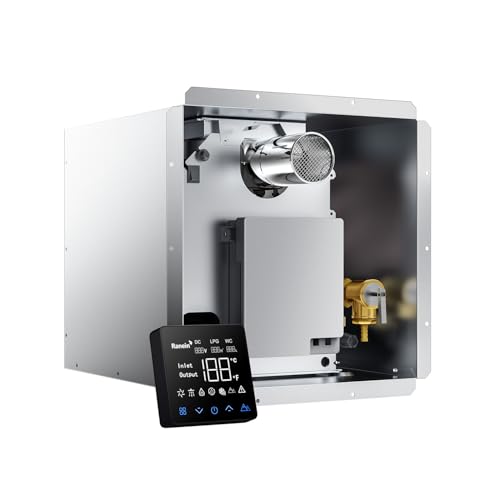
- 65,000 BTU and up to 3.9 GPM
- High-altitude ready to 9,800 ft
- Anti-freeze, flame-failure, CSA certified
Best For: Families and full-time RVers needing reliable hot water in cold or high-altitude conditions.
High-Capacity Indoor Pick
APUS 95,000 BTU Propane Tankless Water Heater

- 4.42 GPM flow with 95,000 BTU output
- Controls temperature within ±1°F
- Compact wall unit with freeze protection
Best For: Indoor propane users who want strong, steady hot water for multiple fixtures.
RV Travel Favorite
ORBEK High-Altitude RV Tankless Water Heater
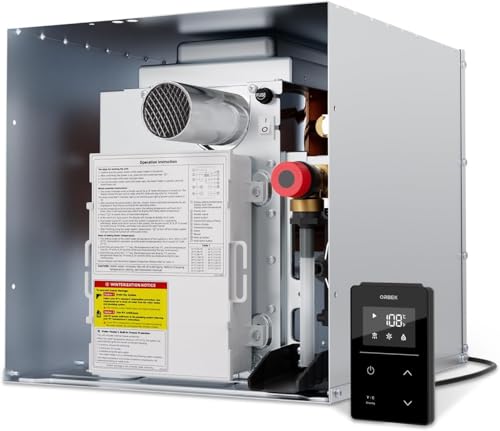
- 60,000 BTU burner with 3.5 GPM flow
- High-altitude and staged combustion support
- 12V DC, CSA certified, frost protection
Best For: RV owners needing a dependable high-altitude replacement with remote temperature control.
Indoor Natural Gas Option
APUS 95,000 BTU Natural Gas Tankless Heater
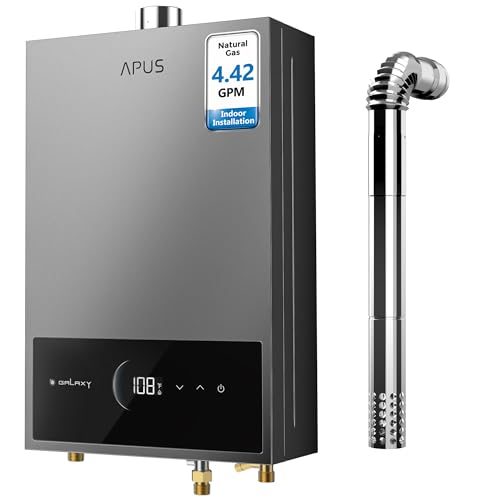
- 4.42 GPM and 95,000 BTU output
- Maintains temperature within ±1°F
- Compact, quiet, and freeze-protected
Best For: Natural-gas homes wanting a compact, high-output heater with precise temperature control.
Gen 3 Retrofit Pick
Fogatti InstaShower 7 RV High Altitude Tankless Water Heater

- High-altitude mode up to 9,800 feet
- 2.5 GPM, 48,000 BTU RV output
- Remote control and CSA-certified safety
Best For: RV retrofit buyers who need mountain-ready propane hot water
High-Flow Outdoor Choice
CAMPLUX 4.22 GPM Propane Tankless Water Heater

- 4.22 GPM for continuous outdoor hot water
- 110,000 BTU for strong heating performance
- Includes regulator and shower kit
Best For: Off-grid cabins, campsites, and outdoor shower setups
Compact RV Upgrade
High Altitude Available RV Tankless Water Heater

- High-altitude-ready RV propane design
- 55,000 BTU with copper heat exchanger
- Front water outlet for outdoor convenience
Best For: RV buyers who want a compact heater with extra outdoor utility
High-Output Mountain-Ready Pick
APUS 68,000 BTU RV Tankless Water Heater

- 68,000 BTU with up to 3.9 GPM
- High-altitude ready to 9,800 ft
- CSA certified with multiple safety protections
Best For: RV owners who want strong hot water output and high-altitude capability
Compact All-Season Option
65,000 BTU RV Tankless Water Heater

- 65,000 BTU instant hot water performance
- High-altitude use supported
- Front and external outlets for added flexibility
Best For: RV owners who want a compact tankless heater with simple controls and dual-use convenience
Highest-Output Travel Pick
APUS 80,000 BTU RV Tankless Water Heater

- 80,000 BTU and up to 4.8 GPM
- High-altitude capable up to 10,000 ft
- CSA certified with remote control and safety protections
Best For: RV families and frequent travelers who want the strongest hot water output and broad altitude support
High-Output RV Upgrade – Gen II Ranein 65,000 BTU RV Tankless Water Heater
If you’re comparing high altitude tankless water heaters for RV use, this Ranein model stands out for strong output, onboard controls, and freeze protection. It is built for propane-powered RV setups that need continuous hot water without the swings of a small tank system.
Best For: Full-time RVers, cold-weather travelers, and families that want stable hot water for multiple users.
Pros:
- 65,000 BTU output and up to 3.9 GPM for faster heating and better flow.
- Optimized for altitudes up to 9,800 ft, with a multi-function controller that shows gas use, voltage, and flow.
- Built-in anti-freeze function, flame-failure protection, and CSA certification for added safety.
- Direct replacement fit for many Suburban and Atwood 6/10/12-gallon tank openings.
Cons:
- Exterior door is not included and must be purchased separately if needed.
- Requires compatibility with the RV cutout and propane/12V setup.
This is a practical pick if you want a high-output RV heater with altitude support and family-friendly hot water delivery. The combination of strong BTU output, safety features, and RV-focused installation details makes it a solid upgrade path.
High-Capacity Indoor Pick – APUS 95,000 BTU Propane Tankless Water Heater
This APUS unit is a strong fit if you’re shopping high altitude tankless water heaters for a home or indoor install and want a lot of flow in a compact footprint. It combines 95,000 BTU output, smart temperature control, and freeze protection for everyday on-demand use.
Best For: Households that want indoor propane tankless performance with strong flow for multiple fixtures.
Pros:
- 4.42 GPM and 95,000 BTU for high-capacity hot water delivery.
- Temperature control stays within ±1°F, with an adjustable range from 95°F to 140°F.
- Oxygen-free copper heat exchanger and segmented combustion for up to 98% thermal efficiency.
- Compact wall-mounted design with LED touchscreen and quiet 36dB operation.
Cons:
- Designed for indoor propane use, so it is not an RV-specific model.
- Requires a 120V AC connection in addition to propane.
For buyers who want a compact but powerful propane water heater, this APUS model offers strong output and precise control. It is especially appealing when you need stable temperatures for multiple simultaneous uses.
RV Travel Favorite – ORBEK High-Altitude RV Tankless Water Heater
Among high altitude tankless water heaters for RV travel, this ORBEK model is aimed at reliable on-demand hot water with a travel-friendly installation. It is built around a 60,000 BTU propane burner, 12V DC power, and remote temperature control for routine camping and family use.
Best For: RV owners who want a high-altitude-capable replacement with easy temperature adjustment and cold-weather protection.
Pros:
- High-altitude performance and staged combustion for consistent operation in thinner air.
- 60,000 BTU burner with 3.5 GPM flow for everyday RV hot water needs.
- 12V DC power, standard NPT connections, and support for common replacement cutouts.
- CSA certified with flame-failure shutoff, forced-draft exhaust fan, and frost protection.
Cons:
- Exterior door panels are sold separately.
- Temperature range tops out at 123°F, which may be limiting for some users.
This ORBEK unit makes sense if you want an RV-specific heater with altitude confidence and useful safety features. It focuses on practical installation, stable output, and simple remote control rather than extra bells and whistles.
Indoor Natural Gas Option – APUS 95,000 BTU Natural Gas Tankless Heater
If you want a high-altitude tankless water heater alternative for indoor natural gas use, this APUS model delivers the same high-flow, compact format as its propane sibling. It is designed for on-demand hot water with precise temperature control and a space-saving wall mount.
Best For: Homes using natural gas that need steady hot water for showers and sinks.
Pros:
- 95,000 BTU output and 4.42 GPM flow for multi-fixture use.
- Smart CPU control keeps temperature within ±1°F of the set point.
- Up to 98% thermal efficiency with oxygen-free copper heat exchangers.
- Compact design, quiet 36dB operation, and built-in freeze protection.
Cons:
- Natural gas only, so it won’t fit propane setups.
- Requires 120V AC power for operation.
This is a straightforward choice for homeowners who want high output and a compact footprint without sacrificing control. It is best viewed as an efficient indoor natural gas heater rather than an RV or mobile-use model.
Gen 3 Retrofit Pick – Fogatti InstaShower 7 RV High Altitude Tankless Water Heater
If you need one of the more capable high altitude tankless water heaters for an RV retrofit, the Fogatti InstaShower 7 is built around convenience and consistent propane-powered hot water. It offers 2.5 GPM, 48,000 BTU output, and a high-altitude mode that’s designed to run smoothly up to 9,800 feet, making it a practical choice for mountain travel and full-time RV use.
Best For: RV owners who want a retrofit-friendly tankless unit with high-altitude performance and remote temperature control.
Pros:
- High-altitude mode is designed to keep the unit running smoothly up to 9,800 feet.
- 2.5 GPM and 48,000 BTU output suit everyday RV hot water needs.
- Includes a 6.6 ft remote for temperature adjustment from 95°F to 123°F.
- Built-in 150 PSI pressure relief valve and CSA certification add safety coverage.
Cons:
- Installation requires a separately sold door size and matching cutout.
- Lower flow rate than larger off-grid propane models.
- Designed specifically for RV use, not broad cabin or home applications.
This is a strong fit if your priority is dependable RV hot water with mountain-ready operation and an easier retrofit path. The staged combustion and antifreeze protection features round out a well-balanced package for travel use.
High-Flow Outdoor Choice – CAMPLUX 4.22 GPM Propane Tankless Water Heater
For buyers comparing high altitude tankless water heaters for outdoor and off-grid use, the CAMPLUX 4.22 GPM model stands out for sheer output. With 4.22 GPM and 110,000 BTU, it is built to deliver continuous hot water for showers, buckets, and cabin-style setups without long waits.
Best For: Campers, cabins, and off-grid users who want a high-flow propane heater for outdoor installation.
Pros:
- 4.22 GPM continuous flow is strong enough for outdoor showers and filling buckets.
- 110,000 BTU output supports steady hot water delivery.
- Pre-installed regulator and included shower kit simplify setup.
- Designed for rugged outdoor use with anti-freezing, dry combustion, low-flow, and overheat protection.
Cons:
- Requires a 20 lb propane tank and separate water inlet hose.
- Not a compact RV-specific retrofit unit.
- If using a water tank, you also need a pump.
This model is a better fit for outdoor plumbing-free use than for tight RV installations. If your priority is strong flow and straightforward propane setup in a cabin, campsite, or backyard, it’s an appealing option.
Compact RV Upgrade – High Altitude Available RV Tankless Water Heater
If you want a compact high altitude tankless water heater for an RV, this CSA-certified propane unit focuses on practical onboard comfort. It delivers 55,000 BTU, uses a microcomputer control panel, and adds a front water outlet for easier rinsing and pet bathing outside the rig.
Best For: RV owners who want a compact, high-altitude-ready heater with front outlet convenience.
Pros:
- High-altitude use is supported, with segmented combustion for efficient operation.
- 55,000 BTU output and copper heat exchanger support instant RV hot water.
- Front water outlet adds flexibility for camping, rinsing, and pet bathing.
- Temperature adjusts from 95°F to 123°F through the built-in control panel.
Cons:
- Door and opening size are specific, so fit should be checked carefully.
- Lower flow and output than larger outdoor propane heaters.
- Best suited to RV use rather than general cabin installs.
This is a sensible pick if you want an RV-focused model with high-altitude support and an added front outlet. The compact footprint and built-in safety features make it easier to live with in tighter spaces.
High-Output Mountain-Ready Pick – APUS 68,000 BTU RV Tankless Water Heater
If you’re comparing high altitude tankless water heaters for an RV setup, this APUS model is built for dependable on-demand hot water with a propane burner rated at 68,000 BTU. It starts at just 0.55 GPM, delivers up to 3.9 GPM, and is designed to stay stable at elevations up to 9,800 ft, making it a strong fit for travelers who split time between road trips, mountain camps, and colder-weather use.
Best For: RV owners who want strong hot water output and high-altitude capability in a compact replacement unit.
Pros:
- 68,000 BTU output with up to 3.9 GPM for long showers and dishwashing
- High-altitude ready up to 9,800 ft for mountain camping
- CSA certified with flame failure, gas leak, dry-burn, and over-temperature protection
- Fits many standard RV water heater openings and includes a remote control
Cons:
- Requires propane and 12V DC power
- Installation fit still depends on verifying the existing cutout size
- Maximum outlet temperature is capped at 124°F
Overall, this is a practical choice if your priority is stable performance in higher elevations without giving up everyday RV hot water convenience. The combination of strong output, freeze protection, and safety features makes it a well-rounded option for frequent travelers.
Compact All-Season Option – 65,000 BTU RV Tankless Water Heater
This 65,000 BTU unit is a straightforward choice for shoppers looking at high altitude tankless water heaters for compact RV installs. It provides instant propane-powered hot water, supports high-altitude use, and uses a brushless DC fan and oxygen-free copper heat exchanger to help deliver stable heating across seasons.
Best For: RV owners who want a compact tankless heater with simple controls and dual-use convenience.
Pros:
- 65,000 BTU output with instant on-demand hot water
- High-altitude capable with stable combustion support
- Compact 13″ x 13″ opening and 15″ x 15″ door size
- Front and external water outlets add flexibility for RV and outdoor use
Cons:
- Listed maximum pressure is lower than some competing units at 150 psi
- Requires propane and 12V DC power
- Door size and opening should be verified before installation
In practical terms, this model works well if you want a compact, easy-to-manage water heater with good altitude support and useful outlet options. It’s a solid fit for RVers who value simplicity and space-saving installation.
Highest-Output Travel Pick – APUS 80,000 BTU RV Tankless Water Heater
For buyers focused on high altitude tankless water heaters with the most heating power in this group, this APUS model steps up to 80,000 BTU and up to 4.8 GPM. It’s designed for RV living, supports dependable performance up to 10,000 ft, and includes a wired remote so you can adjust temperature from inside the rig.
Best For: RV families and frequent travelers who want the strongest hot water output and broad altitude support.
Pros:
- 80,000 BTU output with up to 4.8 GPM for high-demand use
- High-altitude performance up to 10,000 ft
- Includes intelligent staged combustion for fuel management
- CSA certified with freeze protection, flame failure, gas leak, and pressure safety features
Cons:
- Requires propane and 12V DC power
- Installation still depends on matching the 13″ x 13″ style opening
- Strong output may be more than casual users need
If you want maximum capacity and mountain-ready operation, this model is the most powerful option here. Its output, altitude support, and safety system make it a strong fit for RVers who don’t want to compromise on hot water availability.
How We Picked These High Altitude Tankless Water Heaters
We prioritized models marketed for high-altitude use, along with the practical specs that matter most in real-world installs: BTU output, flow rate, ignition reliability, 12V power needs for RV units, and installation flexibility. We also looked for CSA-listed or similarly safety-minded designs, because altitude-friendly performance should still come with solid safety features.
Quick Comparison
In general, higher-BTU propane units tend to offer stronger recovery and better whole-shower performance, while lower-BTU RV models can be more efficient for compact rigs and lighter water demand. Indoor natural gas models are usually the better fit for stationary homes or cabins, while 12V RV units make more sense for mobile use and boondocking.
Key Buying Factors for High Altitude Tankless Water Heaters
Altitude Rating and Combustion Control
Not every tankless unit performs well above 5,000 feet. Look for explicit high-altitude support and signs the burner system is tuned to handle thinner air. If you live or travel in mountainous regions, this should be a top filter, not an afterthought.
Fuel Type and Power Source
Propane is common for RVs and remote locations because it is portable and consistent. Natural gas is often better for permanent indoor installs. Many RV models also require 12V DC power for controls and ignition, so make sure your electrical setup matches the unit.
Flow Rate and BTU Output
Flow rate affects how many fixtures can be used comfortably, while BTUs influence how well the heater can maintain temperature when inlet water is cold. Higher numbers are not always better, but they do help in colder climates and for families using multiple gallons per minute at once.
Installation Fit and Venting
Measure the cutout, door size, and available clearance before you buy. For RV tankless water heaters, replacement fit can matter as much as performance. Indoor units should also match the venting and gas supply requirements of the space.
Controls and Convenience
Remote controls, temperature adjustment, freeze protection, and easy access panels can make daily use much simpler. These features are especially helpful when the heater is mounted outside or in a tight RV compartment.
Who Should Buy Which High Altitude Tankless Water Heaters?
If you need a rugged travel solution, choose a 12V propane RV model with clear high-altitude support. If you are outfitting a cabin or a fixed indoor space, an indoor natural gas unit with higher flow may be the better long-term value. For off-grid camping or frequent elevation changes, prioritize easy installation, dependable ignition, and a strong service network over the absolute highest BTU rating.
For most buyers, the best choice is the unit that balances altitude readiness, fuel compatibility, and the amount of hot water your household actually uses.
