Hot water in a mobile home depends on more than a heater’s advertised flow rate. Fuel supply, electrical capacity, venting, climate, and permitted installation location can determine whether a model is a practical fit.
These 10 propane and electric options cover indoor installations, outdoor-only setups, and different hot-water demands. Use the buying guide below to narrow the choices before checking your home’s specifications and local requirements.
Best 10 Tankless Water Heaters for Mobile Homes Picks for 2026
Best for Higher Indoor Demand
GASLAND Gasmart C 5 GPM Propane Heater

- 5 GPM; 113,000 BTU rated output
- Modulating temperature control
- Includes 3-inch exhaust pipe
Best For: Higher-demand indoor propane setups with suitable venting
Best Outdoor Setup
CAMPLUX BD528 5.28 GPM Propane Heater

- Outdoor-use propane model
- 5.28 GPM; 136,000 BTU rating
- Regulator and shower kit included
Best For: Outdoor showers and off-grid washing near a mobile home
Best Family Controls
Ranein 3.6 GPM Indoor Propane Heater

- 3.6 GPM; 80,000 BTU rating
- Four presets plus child lock
- Vent pipe included
Best For: Smaller households wanting preset temperature controls
Best for Low-Flow Fixtures
APUS 3.6 GPM Indoor Propane Heater

- Starts at a stated 0.53 GPM flow
- 3.6 GPM; 80,000 BTU rating
- Vent pipe and two-year warranty
Best For: Small households with lower-flow faucets
Outdoor Propane Pick

- Outdoor propane model
- Listed 4.22 GPM flow rate
- Drain before freezing storage
Best For: Outdoor mobile-home propane setups
Compact Electric Pick
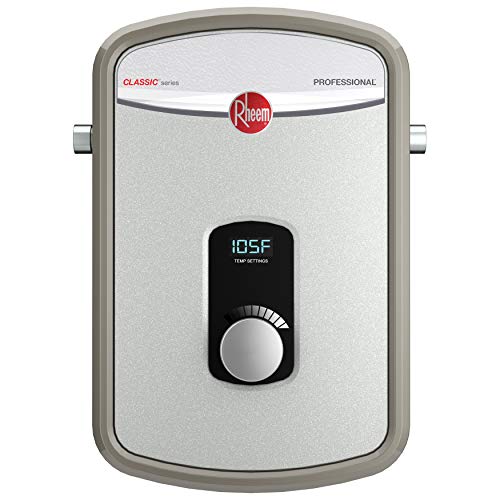
- Up to 2.68 GPM
- No gas venting required
- Needs a 50-amp breaker
Best For: Modest demand with suitable 240V service
Higher-Power Electric Pick
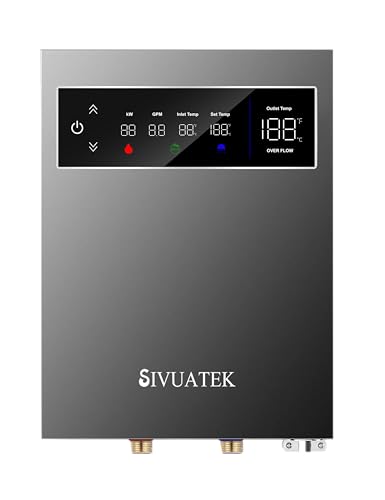
- Listed 3.3 GPM flow rate
- 86°F–131°F temperature setting
- Needs a 60-amp breaker
Best For: One or two fixtures with suitable 240V service
Best with Extra Features

- Up to 4.22 GPM; 110,000 BTU/hr maximum
- Starts at 4.0 PSI; battery-powered ignition
- Portable outdoor use only
Best For: Off-grid outdoor showers and washing
Best for a Single Shower
ThermoMate 14kW Electric Heater

- 2.66 GPM at a 35°F rise
- Adjustable 86°F–131°F temperature
- Needs a 60A double-pole breaker
Best For: One shower or modest indoor demand
Best Wi-Fi Control
WINTEMP WN18 18kW Electric Heater

- Up to 4.3 GPM maximum output
- Wi-Fi temperature control
- Two 40A double-pole breakers required
Best For: Remote control with adequate electrical service
Best for Higher Indoor Demand – GASLAND Gasmart C 5 GPM Propane Heater
Among tankless water heaters for mobile homes, the GASLAND Gasmart C is a higher-output indoor propane option if your installation can accommodate its venting and electrical needs. Its rated 5 GPM flow and 113,000 BTU output suit households with several hot-water fixtures.
Best For: Mobile-home owners seeking an indoor propane unit with capacity for multiple outlets, subject to local installation requirements.
Pros:
- Rated up to 5 GPM with 113,000 BTU of heating output.
- Modulating controls are designed to reduce temperature swings when fixtures open or close.
- Includes a 3-inch exhaust pipe, LED touchscreen, and built-in safety features.
Cons:
- Requires 120 V power, proper ventilation, and professional gas and vent installation.
- Freeze protection requires power to remain on; the manufacturer does not recommend use above 2,000 feet.
This is the capacity-focused choice of the indoor models here. Have a licensed installer confirm that the unit, vent route, and local codes are appropriate for your mobile home before buying.
Best Outdoor Setup – CAMPLUX BD528 5.28 GPM Propane Heater
If your search for tankless water heaters for mobile homes includes an outdoor shower or off-grid washing station, consider the CAMPLUX BD528. This outdoor propane model is rated at 5.28 GPM and 136,000 BTU and comes with a regulator and shower kit.
Best For: Outdoor hot-water setups beside a mobile home, cabin, or off-grid site—not indoor installation.
Pros:
- High listed flow and heat output for an outdoor portable-style unit.
- Includes a 5-foot gas regulator and 5-foot shower kit.
- Battery ignition avoids reliance on a household electrical outlet.
Cons:
- Designed for outdoor use rather than installation inside a mobile home.
- Requires a propane tank, two D batteries, and a water inlet hose; a tank-fed setup also needs a pump.
The included accessories make it appealing for outdoor use, but it is not a substitute for a properly vented indoor water heater. Plan the water supply and propane setup before purchase.
Best Family Controls – Ranein 3.6 GPM Indoor Propane Heater
For shoppers comparing indoor tankless water heaters for mobile homes, the Ranein offers a smaller 3.6 GPM, 80,000 BTU propane option with temperature presets and a child lock. Its listed output is intended for two to three water points, though actual simultaneous use depends on demand and incoming water temperature.
Best For: Smaller households that value preset temperatures and child-lock controls in an indoor propane heater.
Pros:
- Four preset modes and a child lock simplify temperature selection.
- Includes a vent pipe and offers a stated 95–149°F adjustment range.
- Compact wall-mounted design with an oxygen-free copper heat exchanger.
Cons:
- Requires 120 V power and professional gas and vent installation.
- Not recommended above 2,000 feet; the manufacturer advises draining it below 23°F or during extended non-use.
Choose this model for its controls rather than maximum flow. A licensed installer should verify venting, propane supply, and mobile-home code compliance.
Best for Low-Flow Fixtures – APUS 3.6 GPM Indoor Propane Heater
Among indoor tankless water heaters for mobile homes, the APUS stands out for its stated 0.53 GPM activation flow, which may help it start during lighter faucet use. It is rated at 3.6 GPM and 80,000 BTU, making it a candidate for a smaller household rather than heavy simultaneous demand.
Best For: One- or two-person households with lower-flow fixtures and space for a professionally installed indoor propane unit.
Pros:
- Stated 0.53 GPM minimum flow for activation.
- Temperature controls are designed to limit swings as fixture demand changes.
- Includes a vent pipe and carries a stated two-year manufacturer warranty.
Cons:
- Requires 120 V power and licensed installation for indoor gas and vent connections.
- Manufacturer advises draining the unit below 41°F or during extended non-use, despite its freeze-protection feature.
The low-flow start is its most useful distinction for modest water use. Confirm the fixture flow rates, venting arrangement, and applicable mobile-home requirements with an installer.
Outdoor Propane Pick – CAMPLUX BW422 4.22 GPM
Among tankless water heaters for mobile homes, the CAMPLUX BW422 is an option for an outdoor propane setup. Its listed 4.22 GPM flow rate and 110,000 BTU/hour output suit buyers who need hot water beyond a single small fixture, provided the installation matches its outdoor design.
Best For: Mobile-home owners planning an outdoor propane installation with suitable water pressure.
Pros:
- Listed 4.22 GPM flow rate; activates at 4.0–110 PSI.
- LED display and ECO/FULL control knob.
- Includes flame-failure and overheat protections.
Cons:
- Designed for outdoor use, not an indoor utility closet.
- Requires thorough draining and disconnection before cold-weather storage to avoid freeze damage.
This is the propane choice when an outdoor mounting location makes sense. Check the manual’s gas-connection instructions carefully; the manufacturer specifically warns against using Teflon tape between the regulator and inlet pipe.
Compact Electric Pick – Rheem RTEX-11 11kW
The Rheem RTEX-11 is worth considering among tankless water heaters for mobile homes when space is tight and the electrical system can support it. This 240V, 11kW unit is rated for up to 2.68 GPM, though actual hot-water capacity depends on proper sizing for your fixtures and conditions.
Best For: Space-conscious installations with the required 240V electrical capacity and modest hot-water demand.
Pros:
- Compact wall-mounted design needs no gas venting.
- Digital temperature adjustment in 1°F increments from 80°F to 140°F.
- Heats water on demand rather than maintaining a storage tank.
Cons:
- Requires a 50-amp double-pole breaker, #8 AWG copper conductors with ground, and a recommended minimum 100-amp service panel.
- Up-to-2.68-GPM rating may not meet heavier simultaneous demand.
Verify electrical service and expected fixture use before choosing this model. Its small footprint is useful in a mobile home, but correct sizing matters more than the multi-fixture description.
Higher-Power Electric Pick – TSB-140 14kW
For shoppers comparing tankless water heaters for mobile homes, this 14kW electric model offers a listed 3.3 GPM flow rate and a compact wall-mount or under-sink installation option. It is marketed for one or two simultaneous usage points, but you should check hot-water demand against your incoming water conditions.
Best For: One- or two-point electric setups with a compatible 240V, 60-amp circuit.
Pros:
- Listed 3.3 GPM flow rate and 14kW heating power.
- LED controls adjust the set temperature from 86°F to 131°F in 1°F steps.
- Compact design with standard 1/2-inch NPT water connections.
Cons:
- Requires a dedicated 60-amp breaker, so electrical capacity must be checked first.
- Listed dimensions differ between the supplied bullet points and specifications; confirm clearance before buying.
This model offers more listed heating power than the 11kW option, but it also calls for a larger circuit. Confirm both the electrical requirements and actual cabinet dimensions before planning an installation.
Best with Extra Features – GASLAND 16L Portable Heater
Among tankless water heaters for mobile homes, the GASLAND 16L is an option for outdoor hot water where a propane tank is available. It runs on a standard 20-pound tank, uses two D-cell batteries for ignition, and starts at just 4.0 PSI of water pressure.
Best For: Outdoor showers and other off-grid hot-water tasks at a mobile home.
Pros:
- Rated for up to 4.22 GPM with a 110,000 BTU/hr maximum output.
- Includes a shower head and hose, gas regulator and hose, and mounting hardware.
- CSA certified, with protections including flame-failure and overheating protection.
Cons:
- Designed for portable outdoor use, not indoor installation.
- Prolonged rain exposure can damage it; the manufacturer also cautions against use above 3,300 feet or in strong winds.
Choose this for a portable outdoor setup rather than as a permanently installed indoor water heater. Plan to keep it dry and drain and store it in a warm, dry place for winter.
Best for a Single Shower – ThermoMate 14kW Electric Heater
The ThermoMate 14kW is worth considering among tankless water heaters for mobile homes when an indoor electric unit for one shower or up to two faucets fits the job. Its stated output is 2.66 GPM at a 35°F temperature rise, so check your incoming water temperature and expected flow before choosing it.
Best For: A single shower or small indoor hot-water setup with a suitable 240V electrical circuit.
Pros:
- Temperature adjusts in 1°F increments from 86°F to 131°F.
- Self-modulating heating responds to water temperature and flow.
- Compact wall-mounted design with 1/2-inch NPT connections.
Cons:
- Requires a 60A double-pole breaker and 6 AWG wiring; verify electrical capacity before buying.
- Its 2.66 GPM rating at a 35°F rise may limit simultaneous high-flow use.
This is a practical match when demand is modest and the required circuit is available. Its advertised 3.4 GPM maximum should not be mistaken for its output at the specified 35°F temperature rise.
Best Wi-Fi Control – WINTEMP WN18 18kW Electric Heater
For shoppers comparing tankless water heaters for mobile homes, the WINTEMP WN18 offers Wi-Fi temperature control and a stated maximum output of 4.3 GPM. Its electrical requirements deserve attention first: the manufacturer recommends 150A household service and specifies two 40A double-pole breakers.
Best For: An indoor setup needing remote temperature adjustment, provided the electrical service can support an 18kW unit.
Pros:
- Wi-Fi control lets you adjust the temperature remotely.
- Self-modulating operation adjusts power to flow and the set temperature.
- Slim, wall-mounted 11.1-by-19.2-by-4-inch design.
Cons:
- Requires two 40A double-pole breakers and two 8/2 AWG wiring runs; consult a qualified electrician before purchasing.
- The 4.3 GPM figure is a maximum, not a guaranteed flow at every incoming water temperature.
The remote controls are useful, but installation feasibility is the deciding factor for a mobile home. Confirm available electrical capacity and your hot-water demand before relying on its maximum flow rating.
How We Picked the Best Tankless Water Heaters for Mobile Homes
We selected a mix of indoor propane, outdoor propane, and 240-volt electric models across different advertised capacities. That range lets shoppers compare fuel types and installation requirements rather than treating the highest listed gallons per minute (GPM) as the automatic winner. Product listings alone cannot confirm that a heater is approved for a particular manufactured or mobile home; verify the current installation manual and applicable local rules before buying.
Quick Comparison: Which Type Fits Your Setup?
Indoor propane models suit homes with an appropriate gas supply and a compliant indoor installation location. They require the venting, combustion-air provisions, and clearances specified by the manufacturer. Outdoor propane models avoid indoor exhaust venting but still need an approved outdoor mounting location and protection against freezing; camping-oriented units are not necessarily suitable for permanent whole-home installation. Electric models avoid gas piping and exhaust venting, but their amperage and breaker requirements can be substantial, especially at 14kW or 18kW.
For a rough capacity comparison, the listed propane models span 3.6 to 5.28 GPM, while the electric choices span 11kW to 18kW. These figures are not directly interchangeable: usable hot-water flow changes with incoming water temperature and the temperature rise you need.
Key Buying Factors for Tankless Water Heaters for Mobile Homes
Check Approval and Installation Location
Confirm the exact model is permitted for your home and intended location under its listing, installation instructions, and local code. “Mobile home” in a product title does not replace that check. Indoor and outdoor models are not interchangeable; an outdoor-only heater should not be installed inside.
Size for Temperature Rise, Not Headline GPM
Estimate the coldest incoming water temperature, your desired hot-water temperature, and which fixtures may run together. A heater’s delivered GPM falls as the required temperature rise increases. If you need a shower and sink at once, check the manufacturer’s flow chart at your actual temperature rise rather than relying on a single maximum-GPM claim.
Verify Fuel, Power, and Water Conditions
For propane, check available fuel pressure, regulator specifications, gas-line sizing, and required vent components. For electric, have an electrician confirm service-panel capacity, voltage, breaker space, wiring, and the model’s specified circuits. Also check minimum activation flow, operating water-pressure range, and whether hard water calls for filtration or routine descaling.
Plan for Weather and Ongoing Care
Exposed plumbing and outdoor units need a freeze-protection plan appropriate to the climate; built-in freeze protection, if provided, may depend on continuous power. Maintain inlet filters and descale as directed. Budget for professional installation when gas, electrical, venting, or plumbing changes are needed.
Who Should Buy Which Tankless Water Heaters for Mobile Homes?
Choose an indoor propane option if your home supports a compliant gas installation and you want on-demand hot water without a large electric load. Consider an outdoor propane unit for a suitable exterior or off-grid setup, but confirm it is approved for your intended use. Pick an electric model when your panel can support it and you prefer to avoid combustion equipment. For any fuel type, prioritize verified installation compatibility and real-world temperature-rise performance over the biggest number on the product listing.
